Overview
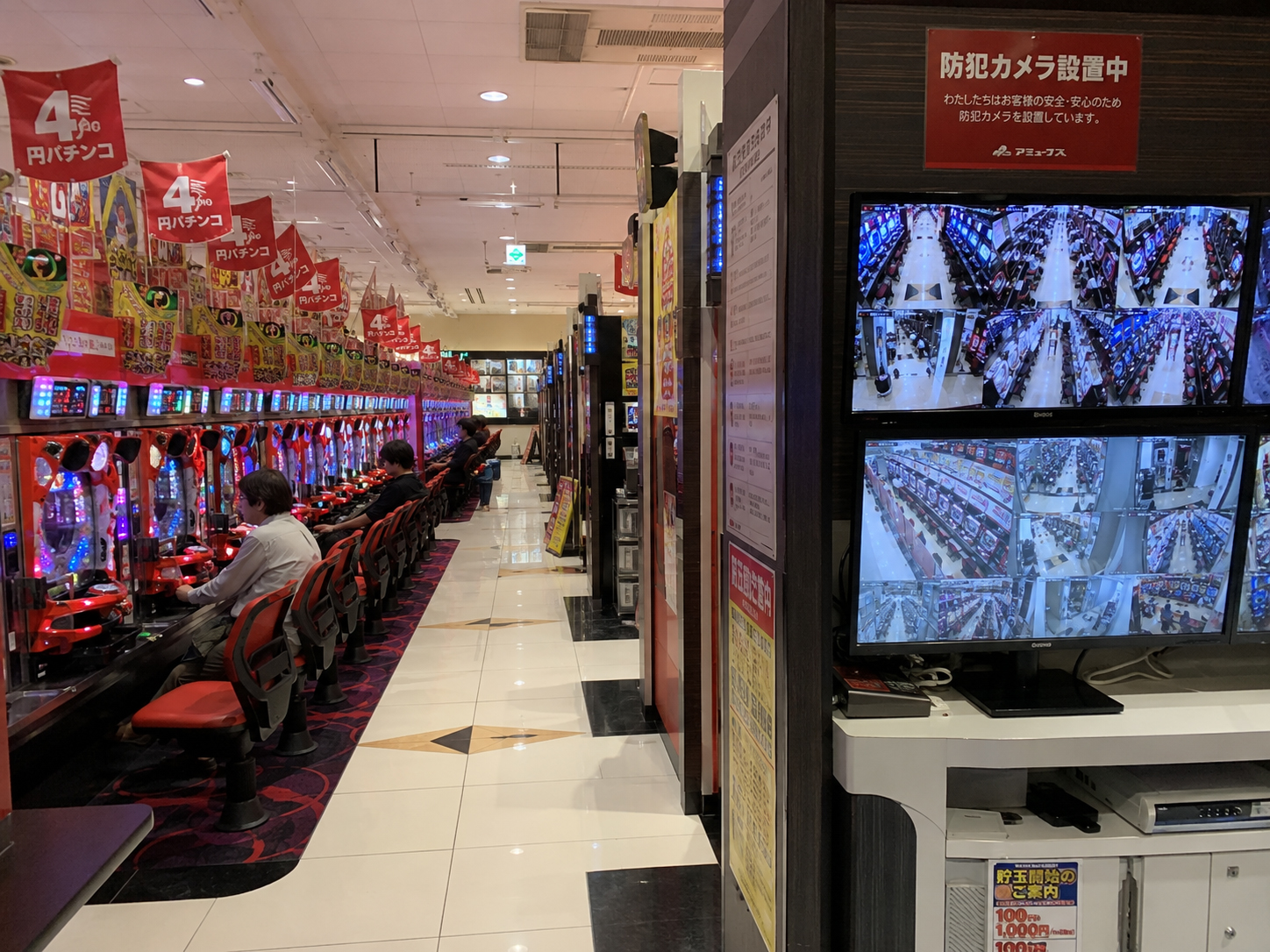
The force of this case lies in how ordinary the place was. A family outing. A public building. Bright machines. A corridor. Security cameras. A child visible one moment and missing the next.
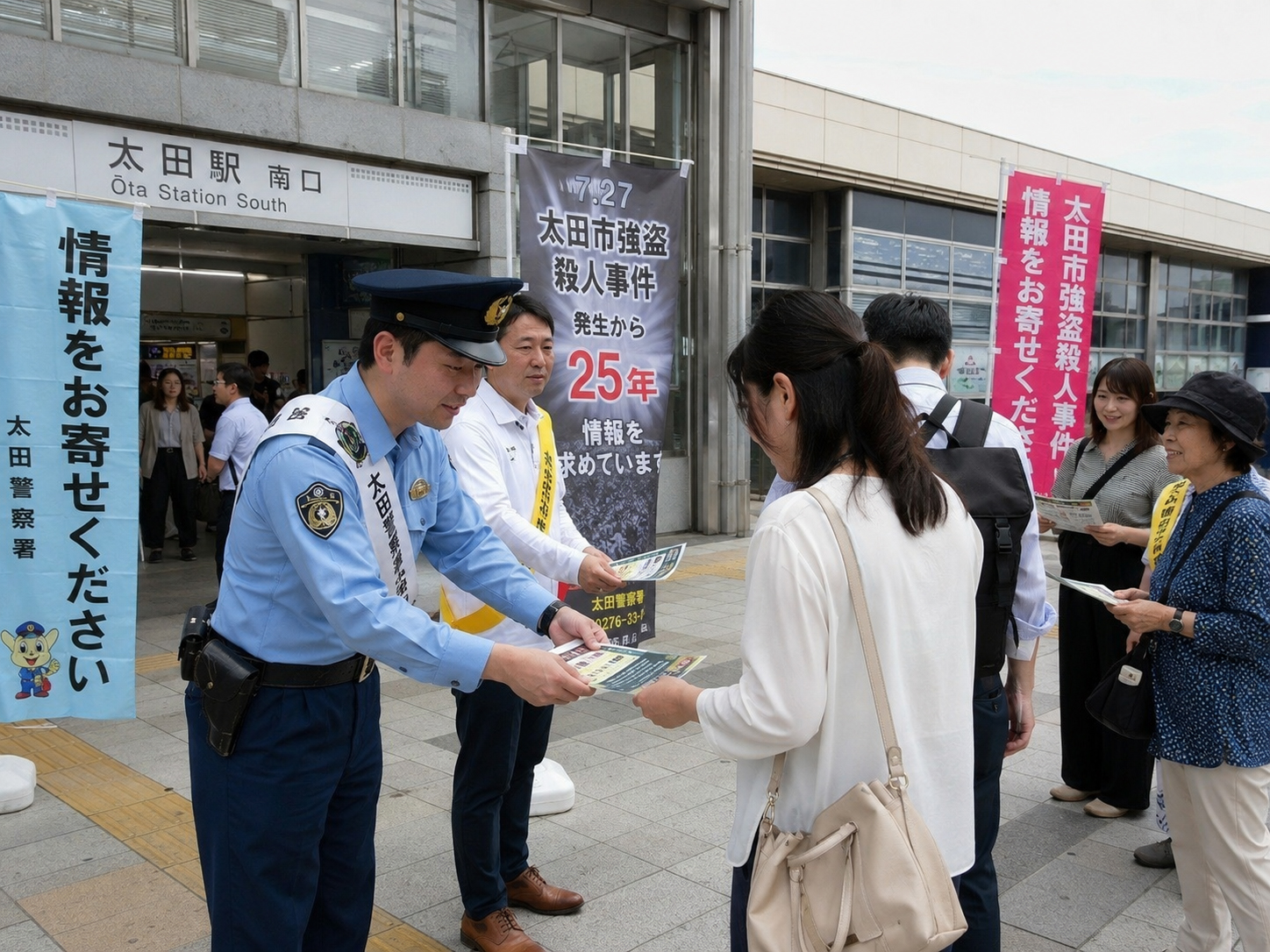
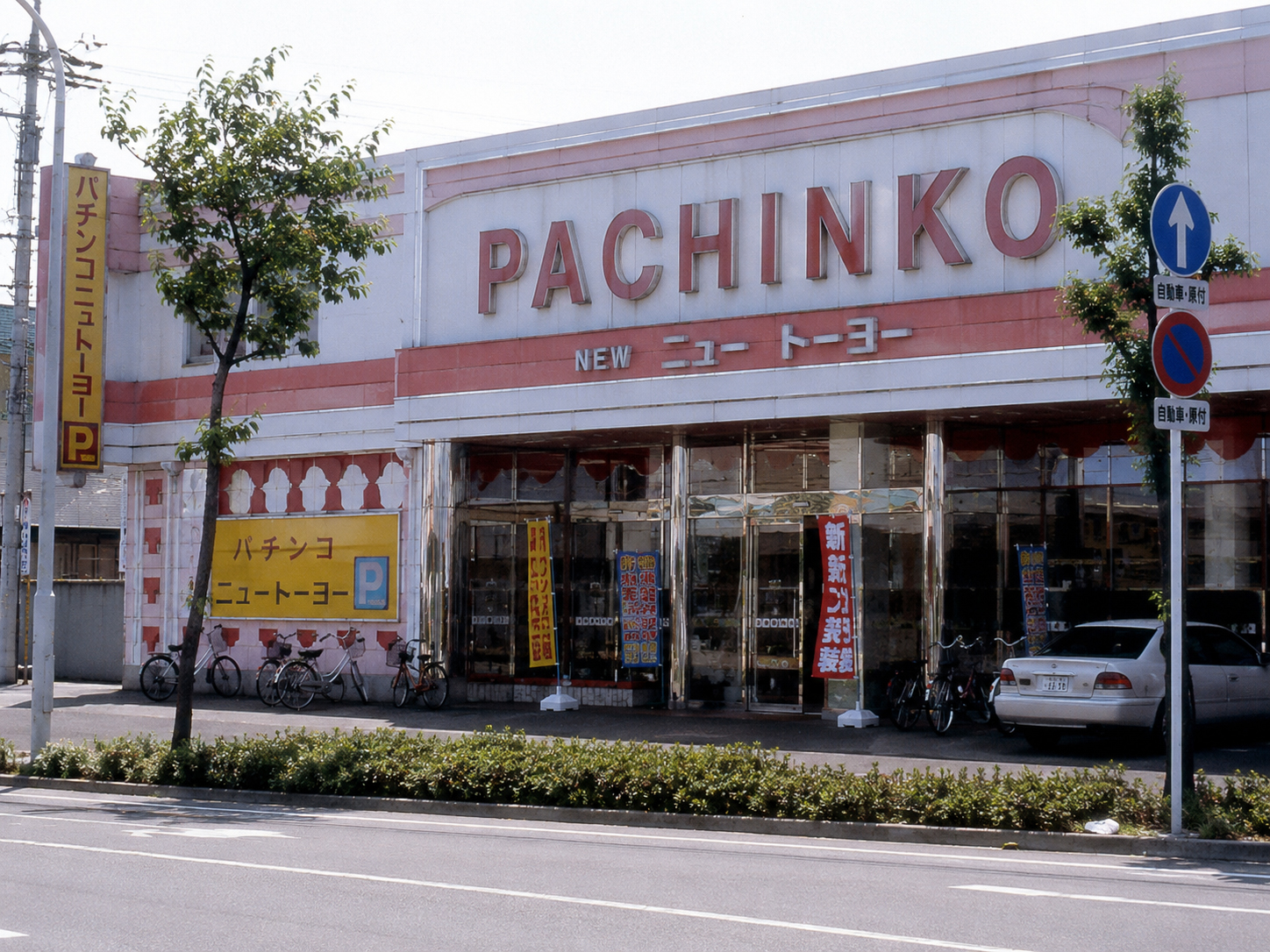
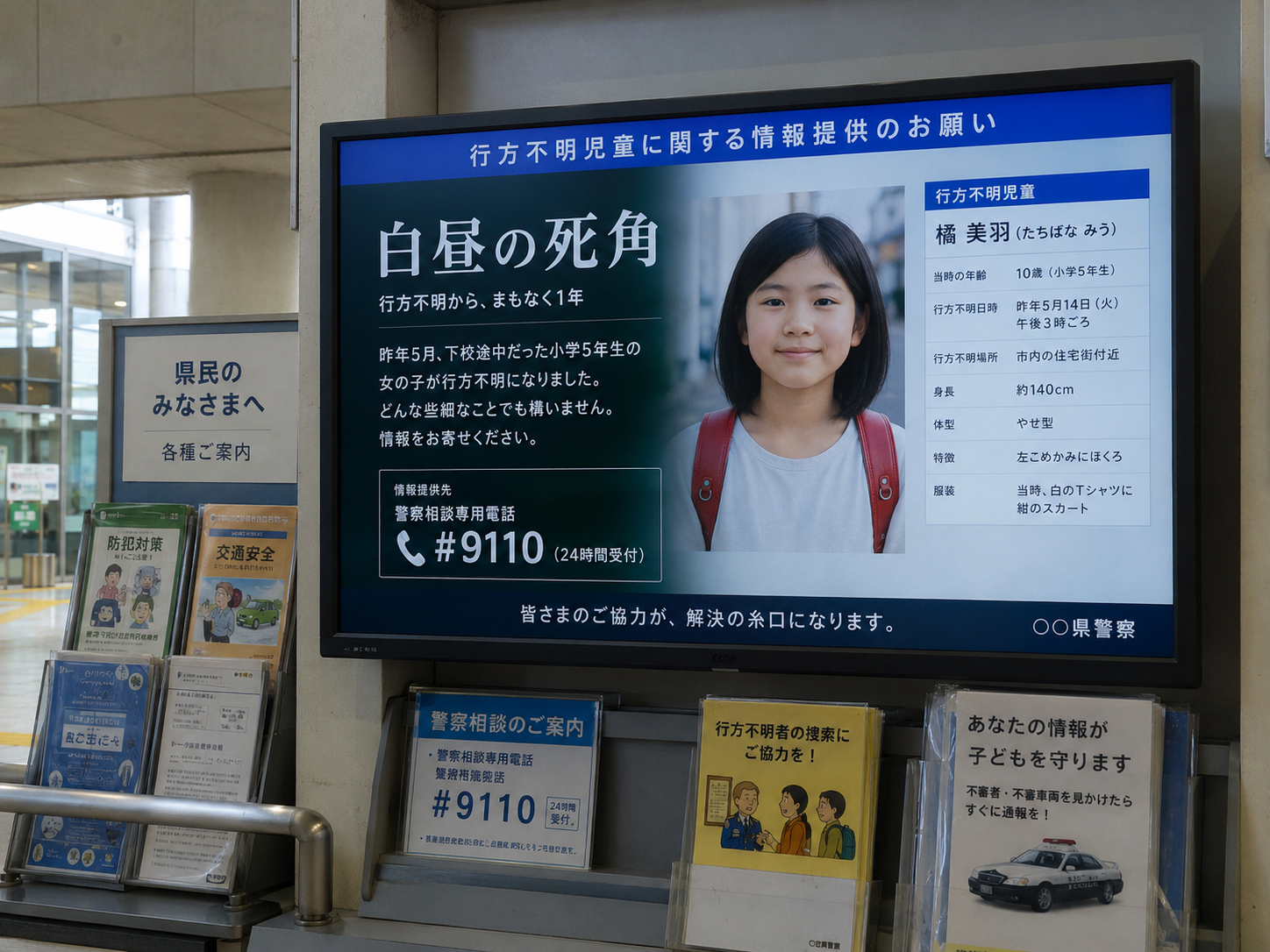
The current official police record is concise: on the afternoon of July 7, 1996, Yukari Yokoyama, then four, visited a pachinko parlor in Ota, Gunma, with her family. While playing alone inside, she disappeared. Police describe the case as a suspected abduction. A man who spoke to Yukari inside the parlor shortly before she disappeared is listed as an important reference person, and police continue to ask the public to watch the video appeal Hakuchū no Shikaku, “The Blind Spot in Daylight.”
The confirmed skeleton
The official skeleton has not changed. The date was July 7, 1996. The place was a pachinko parlor in Ota City, Gunma Prefecture. Yukari Yokoyama was four. She was there with her family. While playing alone inside the parlor, she disappeared. Gunma police continue to classify the case as a suspected abduction.
The official Gunma police page was updated on July 1, 2026 and displays the Reiwa 8 wanted poster. It directs tips through the reward-information channel and lists the prefectural police headquarters contact number.
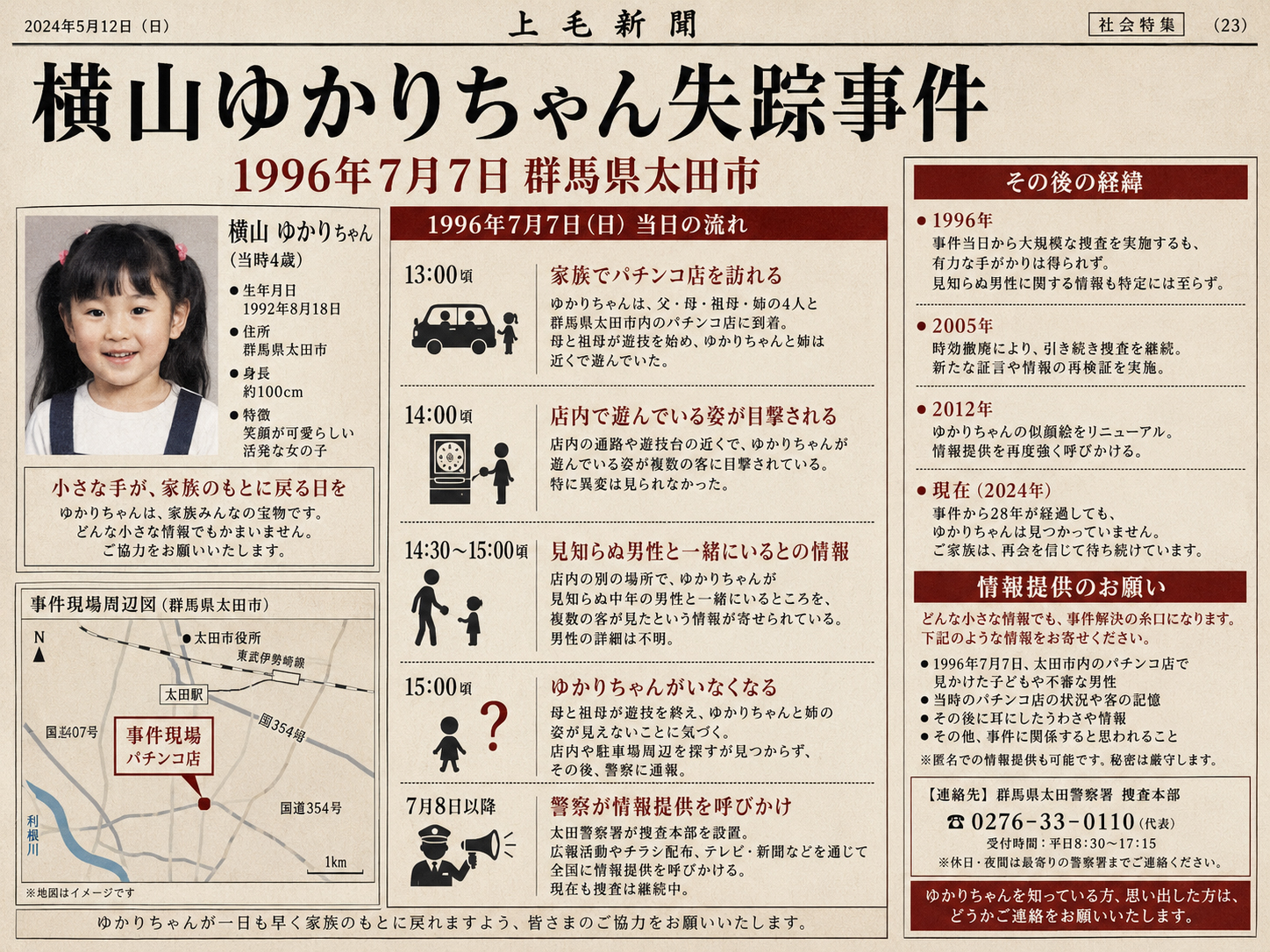
July 7, 1996: the minimal timeline
Minute-by-minute reconstructions can mix official records, news summaries, and later retellings. SHIMBUN keeps the core sequence attached to the public record.
Yukari was at a pachinko parlor in Ota, Gunma, with her family.
The official record says she disappeared while playing alone inside the parlor.
Police identify a man who spoke to Yukari inside the parlor shortly before the disappearance as an important reference person.
Police have used surveillance footage, posters, leaflets, and the video The Blind Spot in Daylight to request information.
The Gunma police page was updated on July 1, 2026 with current wanted-poster and reward information.
The important reference person
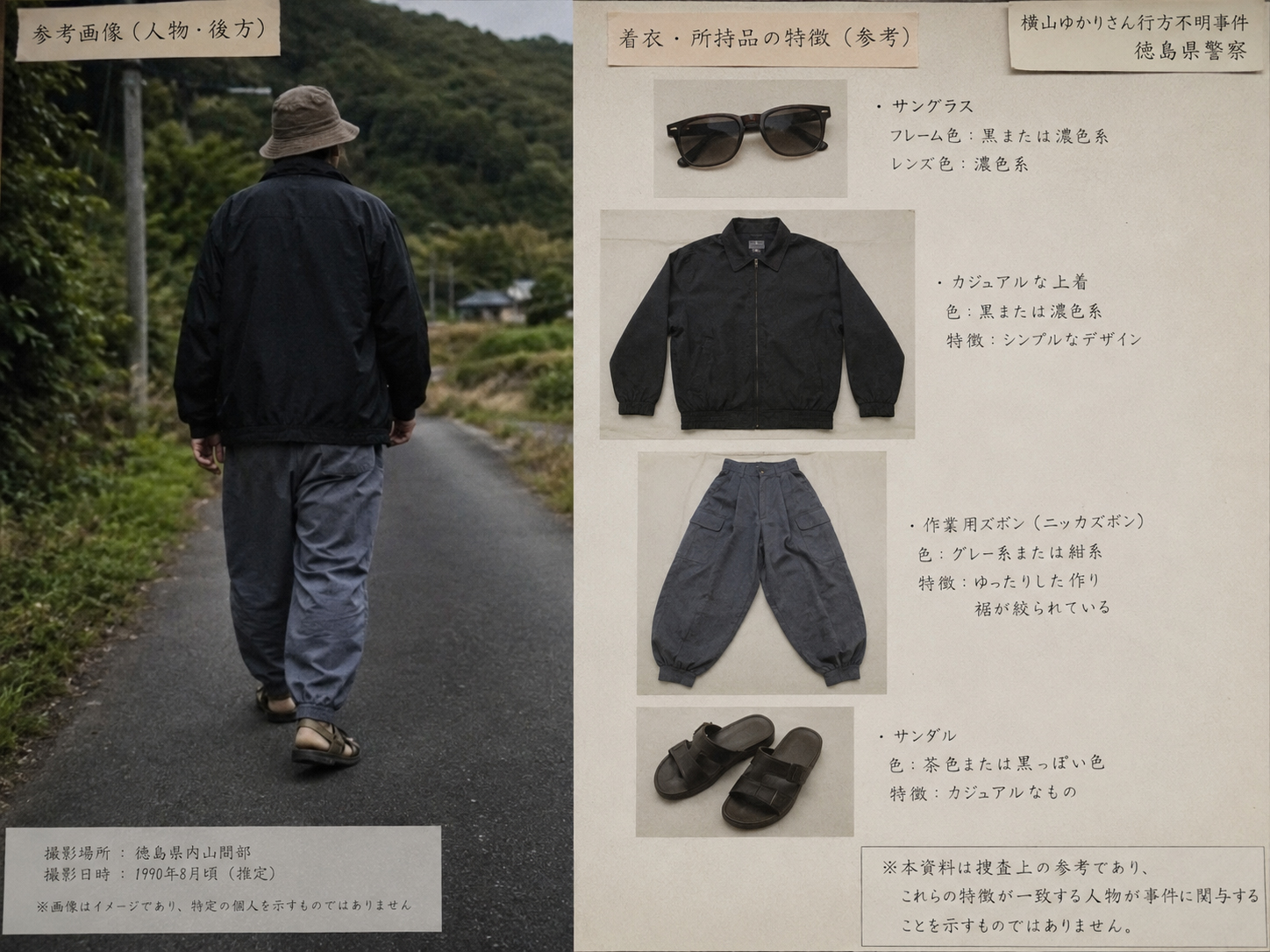
Gunma police say that shortly before Yukari disappeared, a man spoke to her inside the pachinko parlor. The official page lists these features: approximately 158 centimeters tall, nikka-style work trousers, sandal-like footwear, and sunglasses. A public circular published by Ota City adds: age at the time roughly 30 to 50 and a bowlegged walk.
The language matters. A reference-person description is not a conviction. It is a tool for memory: for people who were in the parlor, saw the man, heard something later, or recognize the gait, clothing, or circumstances.
CCTV and The Blind Spot in Daylight
The Japan Police Support Association video library states that surveillance-camera footage from the pachinko parlor recorded Yukari and a person believed to be connected to the abduction, and asks the public for information. Gunma police also direct readers to the video Hakuchū no Shikaku for details about the important reference person.
In 2023, Japanese news reported that Gunma police released clearer footage and again asked for tips. The existence of footage is central to the case. But a face or a figure on video is not the same as a name, a route, or a recoverable child. That is why the appeal continues.
The ¥7 million maximum reward
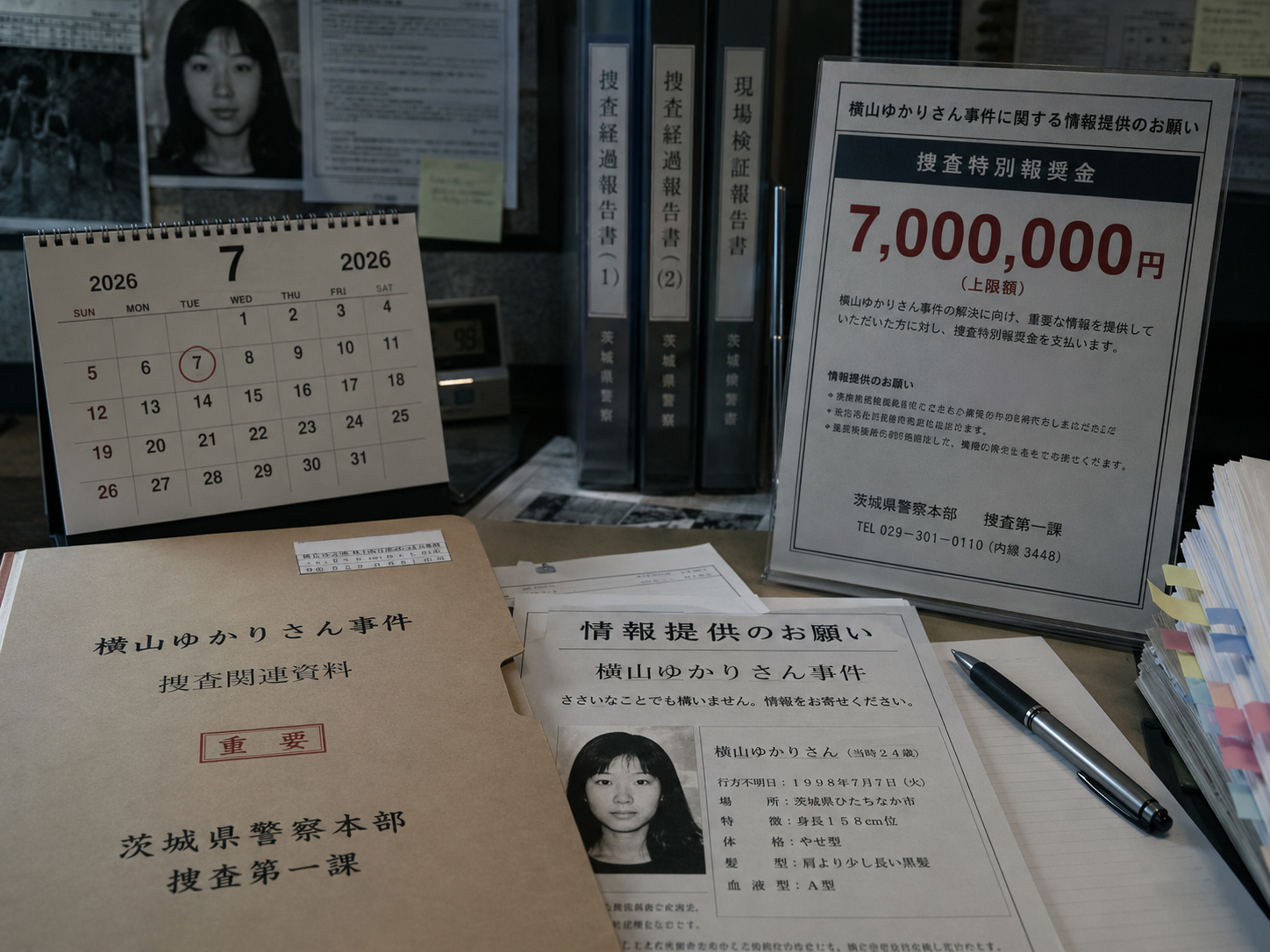
The official police page lists a maximum reward of ¥7 million: up to ¥3 million under the special investigation reward system, and up to ¥4 million from the Ota amusement-industry crime-prevention association’s private reward. The Ota public circular also lists the maximum at ¥7 million, provides the toll-free number 0120-889-324 and Ota Police Station number 0276-33-0110, and gives an application period from July 1, 2025 through June 30, 2026 unless changed as necessary.
The amount is not just a number. It is an institutional sign that the case is still open to new information. Something that once seemed too small may now matter when compared with the surviving record.
North Kanto context
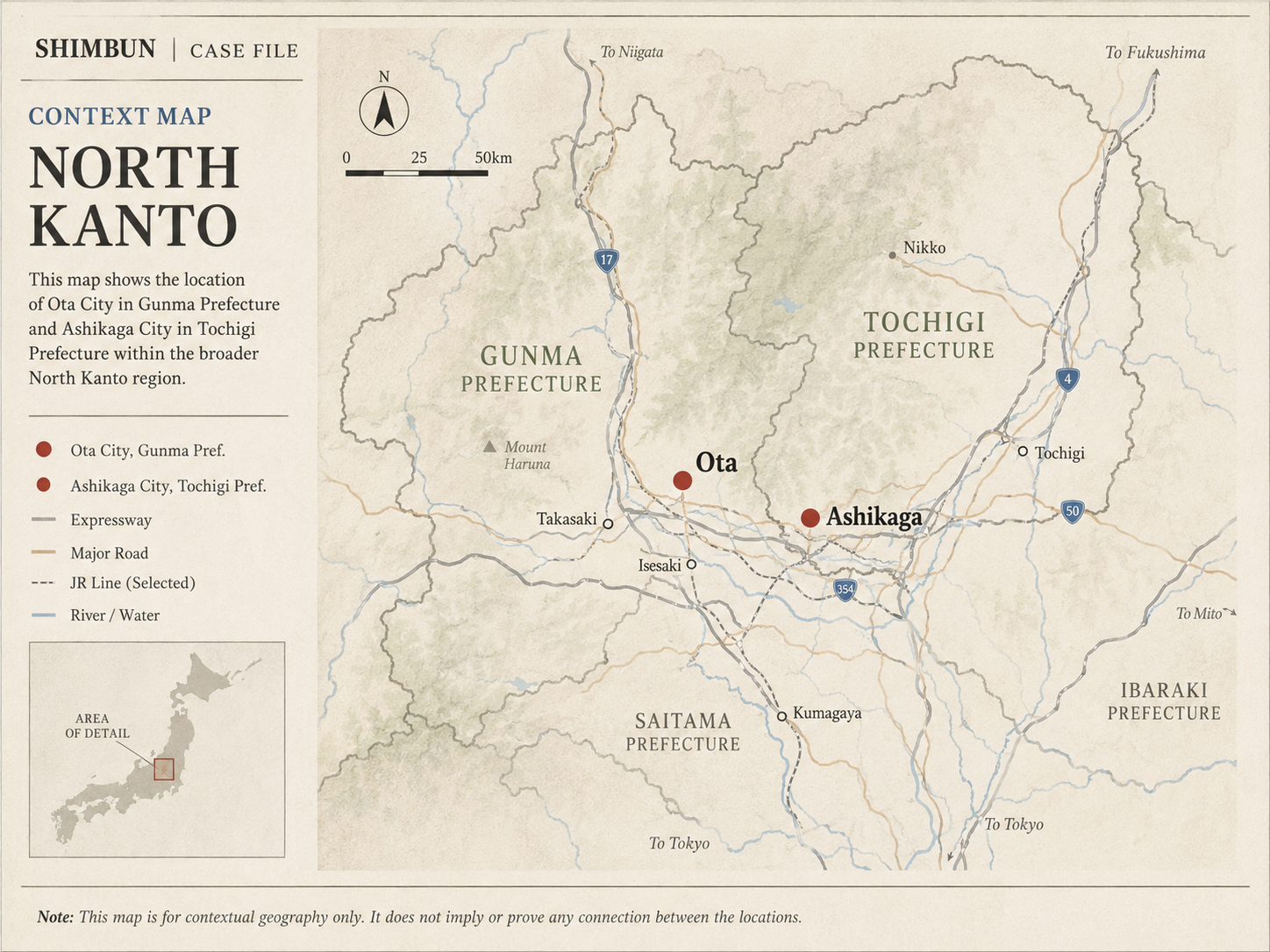
Yukari’s case is often discussed alongside other child abduction and murder cases in the North Kanto region. The geography is real. The history of wrongful conviction in the Ashikaga case is real. Journalists have argued about patterns across nearby cases.
But context is not proof. SHIMBUN shows Ota, Gunma, and Ashikaga, Tochigi, as geographic context only. The official subject of this page remains the suspected abduction of Yukari Yokoyama.
Unanswered questions
The unanswered questions are not abstract. Who was the reference person? Where did Yukari go after leaving the visible record? What did people in or around the parlor notice but later dismiss as unimportant? Did any old photograph, diary, work record, shop memory, or family conversation capture something that now matters?
- Who is the important reference person?
- What happened after the visible parlor record ends?
- Who remembers the Ota pachinko parlor and its surroundings on July 7, 1996?
- Does anyone recognize the combination of nikka-style trousers, sunglasses, sandals, height, and gait?
- Are there old notes, photos, or conversations that could now be cross-checked against the police record?
Sources and update policy
This page is based on Gunma Prefectural Police’s official case page, the Ota City public circular, the Japan Police Support Association video library, and major Japanese news reporting. It does not use anonymous internet accusations or name private people as suspects.
- Gunma Prefectural Police: official Yukari-chan case page, July 1, 2026 update, case summary, important reference person, and reward information.
- Ota City public circular: reward amount, reference-person details, tip lines, and application period.
- Japan Police Support Association video library: Hakuchū no Shikaku and the surveillance-camera appeal.
- TBS NEWS DIG: 2023 reporting on the release of clearer footage and renewed appeal.
- TV Asahi / ANN: 2025 reporting on the 29-year appeal and ¥7 million maximum reward.