Overview
Calling this simply a shooting leaves out the central fact: the person targeted was not only an individual official, but the visible head of Japan’s national police system.
On March 20, 1995, sarin was released on Tokyo subway lines during the morning commute. Police began large-scale searches of Aum Shinrikyo facilities on March 22. Eight days later, the commissioner general of the National Police Agency was shot outside his home. Tokyo was still inside the psychological shock of the sarin attack, and the police were deep inside the confrontation with Aum.
This page treats the Kunimatsu shooting not as suspect-hunting, but as an archival case: confirmed facts, reported accounts, police conclusions, legal criticism, later reporting, and open questions are kept separate. SHIMBUN does not turn uncharged people or groups into proven perpetrators.
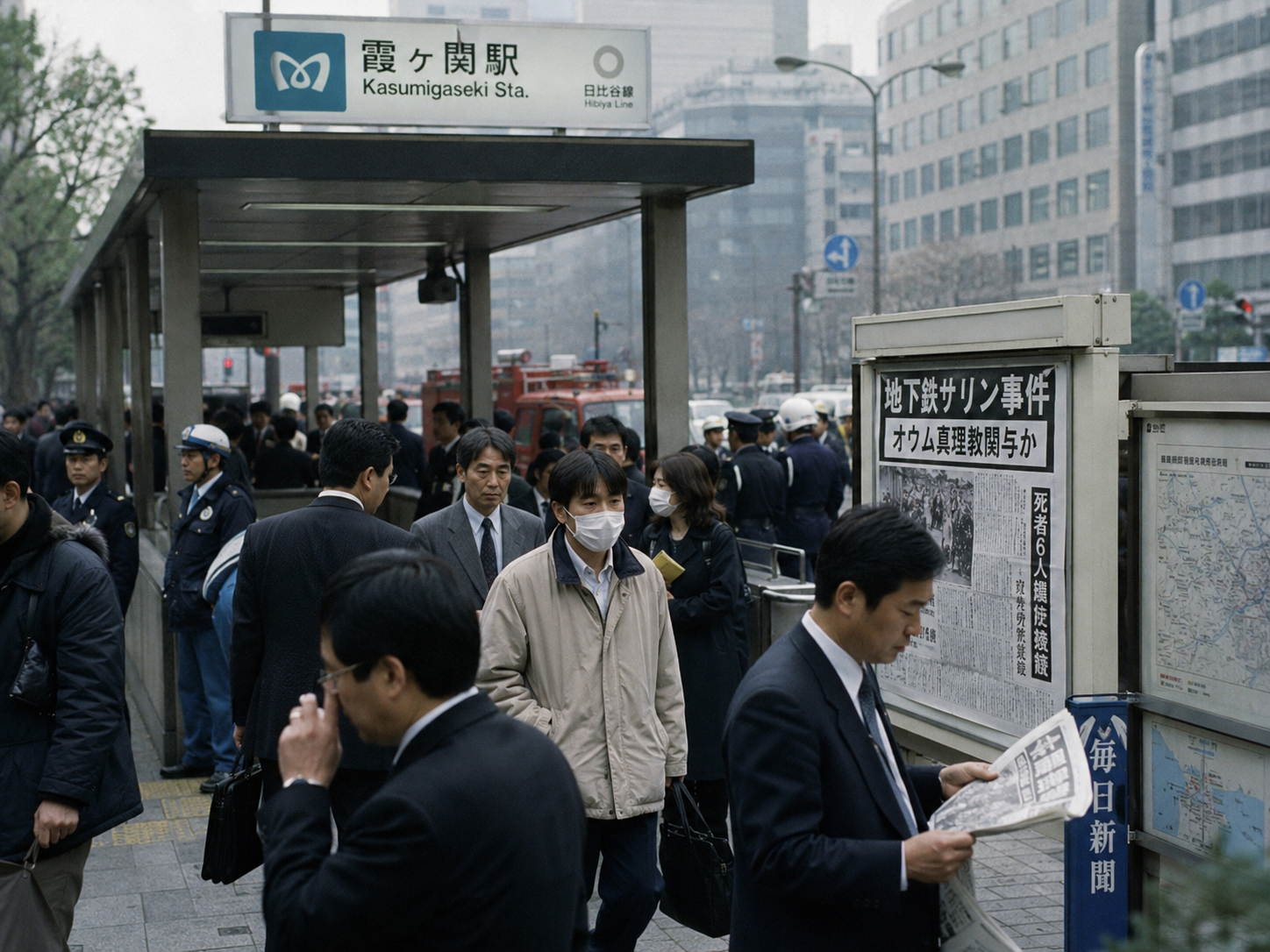
Tokyo, ten days earlier
On March 20, 1995, the Tokyo subway sarin attack struck the capital’s morning commute. FNN’s 30-year review describes the attack as killing 14 people and injuring about 6,300. Police searched Aum facilities, including sites in then-Kamikuishiki, Yamanashi Prefecture, on March 22. Aum figures were publicly denying involvement while the confrontation between police and the group intensified.
For the police, the Kunimatsu shooting was not merely an attempted murder. News of the shooting immediately reached the National Police Agency. In later interviews, a senior security-police official described his state of mind as shock. The top of the police hierarchy had been attacked at home.
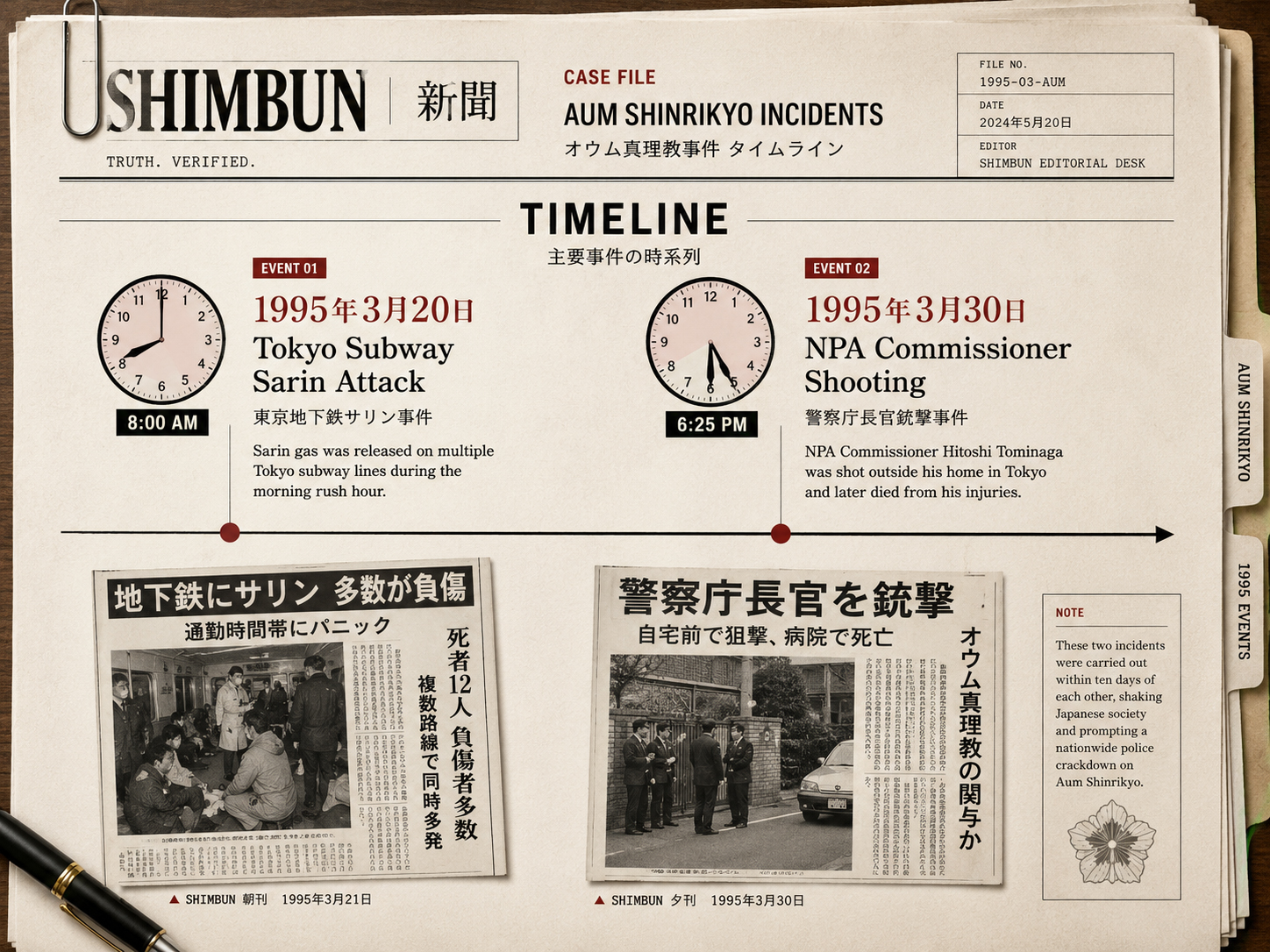
The seconds at the entrance
According to FNN’s 2025 review, Kunimatsu came down to the first floor of his Arakawa Ward apartment building at about 8:30 a.m. on March 30, 1995, to leave for the National Police Agency. It was raining lightly. He and his secretary reportedly used a side service entrance rather than the usual front entrance.
After they had taken only a few steps toward the waiting car, gunfire rang out. Reporting describes four shots, several of them striking Kunimatsu. His secretary moved him toward cover behind shrubbery. Kunimatsu was transported to Nippon Medical School Hospital in Bunkyo Ward, where an approximately six-hour emergency operation saved his life.
FNN’s review states that investigators believed the shooter fired from roughly 20 meters away, from behind shrubbery near an adjacent building, using a .38-caliber Colt Python and hollow-point bullets. The level of marksmanship required has remained a subject of debate.
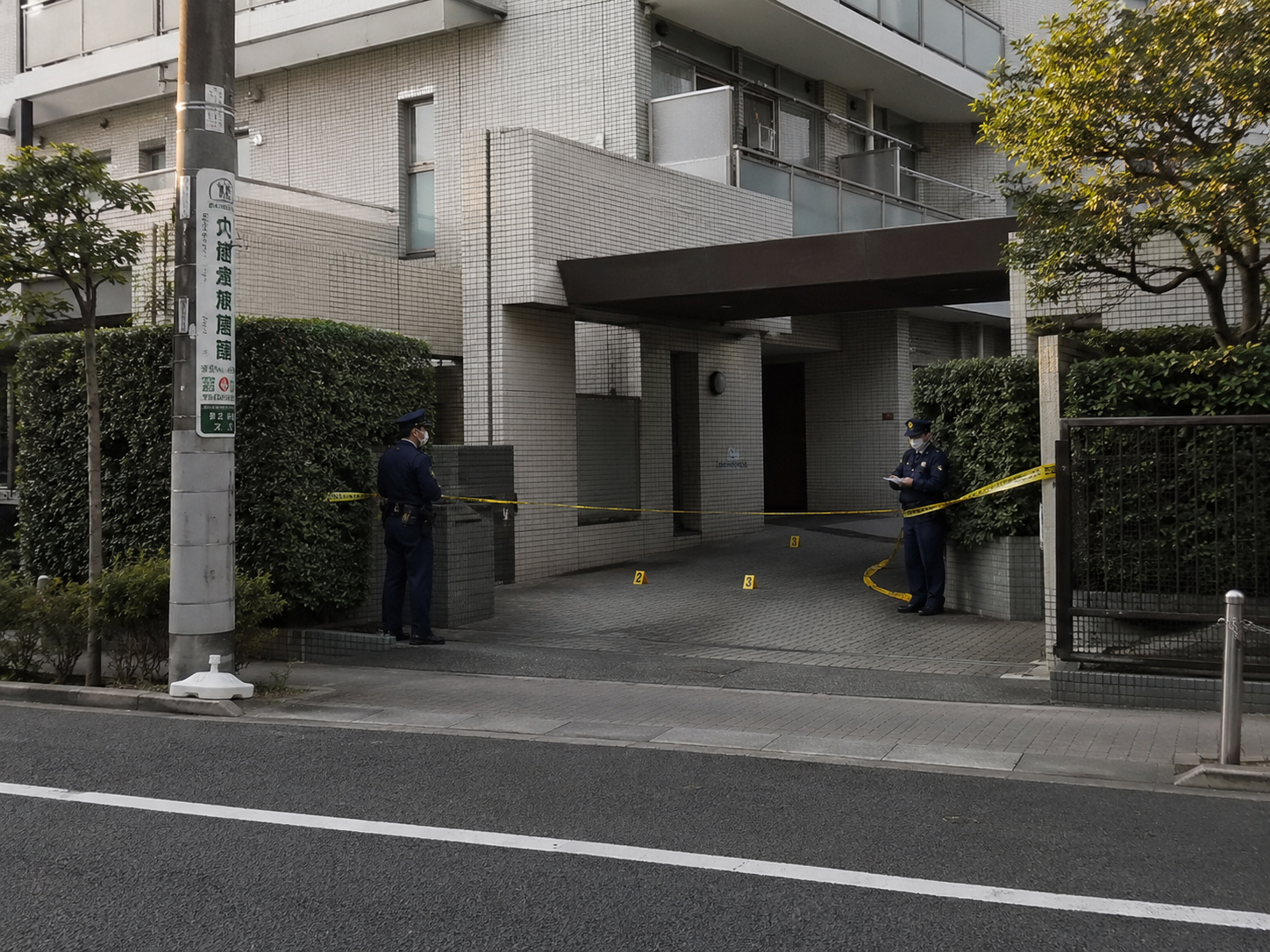
Minimum timeline
Sarin is released on Tokyo subway lines, causing mass casualties and national shock.
Police search Aum-related facilities, including sites in Yamanashi Prefecture.
The NPA commissioner general is shot outside his apartment building in Arakawa Ward.
Aum-related theories, a former officer’s reported confession, and later Nakamura-related reporting accumulate without indictment.
The limitations period expires at midnight. Police refer the case with the suspect unknown and publish an investigative summary.
Police criticism, bar-association statements, press editorials, and later civil litigation focus on the way the case was publicly explained after it could no longer be prosecuted.
Reports on a support driver, Hiroshi Nakamura, Nakamura’s 2024 death, and 30-year retrospectives return the unresolved issues to public view.
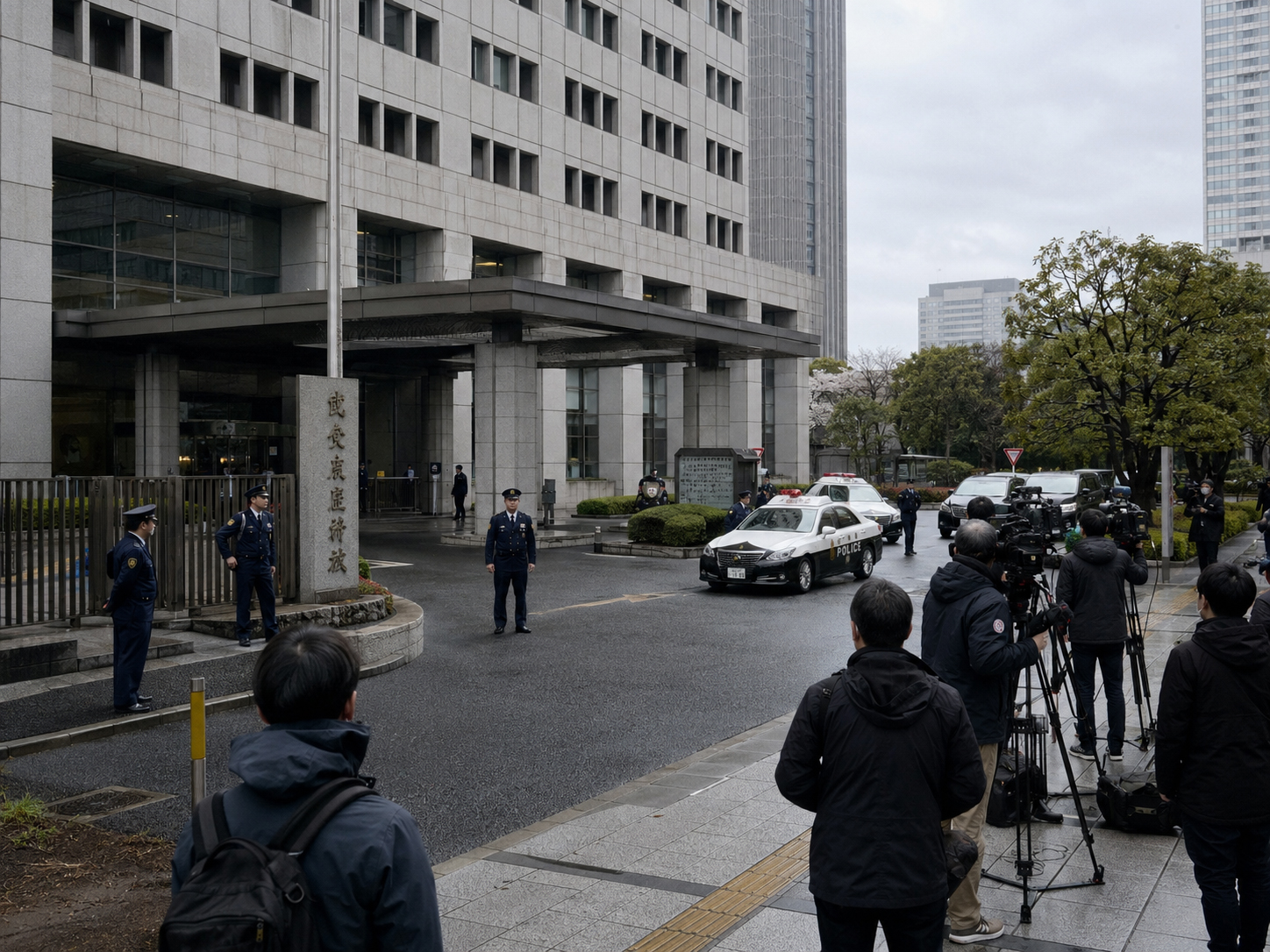
Two investigative instincts
The immediate context made Aum the dominant frame. Ten days after Sarin, while police were searching facilities and pursuing Aum leaders, a shooting of the police chief looked like an attack on the state’s law-enforcement response.
FNN’s 30-year review, however, emphasizes a divide between the Tokyo Metropolitan Police Department’s Public Security Bureau and Criminal Investigation Bureau. Public Security pursued the Aum-terror line; Criminal Investigation examined the possible involvement of Hiroshi Nakamura, a prisoner in an unrelated robbery case. The friction between those investigative instincts became part of the story.
The split matters because the first frame shapes the evidence that gets prioritized: terrorism or individual shooting; organizational command or ballistic reconstruction; ideology, motive, escape route, witness statements, and physical evidence.
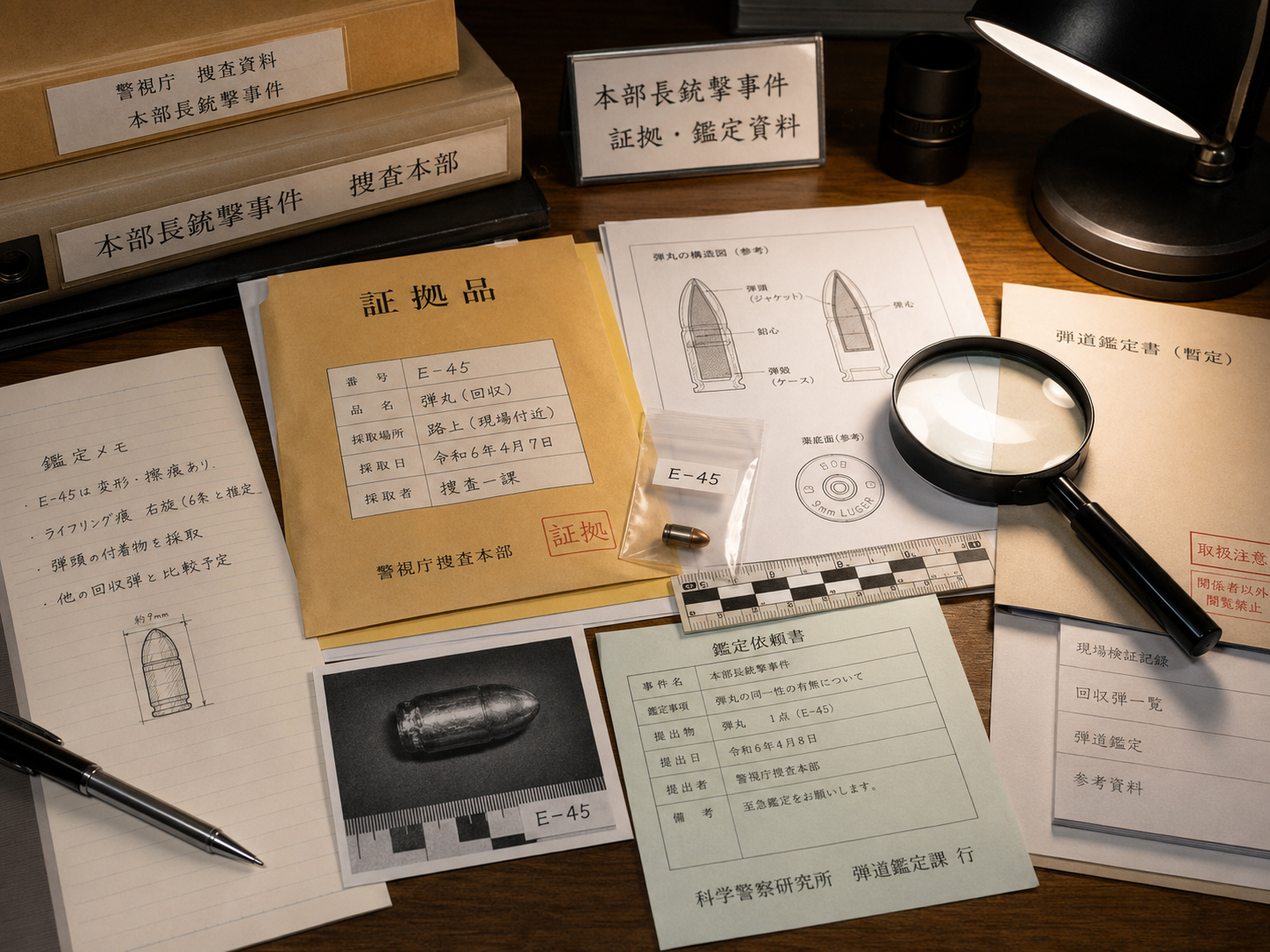
Evidence, statements, and the missing “decisive” point
The case has attracted powerful narratives: an Aum revenge attack, a former police officer’s reported statement, reporting about Hiroshi Nakamura, and later testimony from a person who said he helped drive Nakamura near the area without knowing what would happen. None resulted in a criminal conviction for the shooting.
In 2023, the Mainichi Shimbun reported that a man said he had assisted Nakamura’s movements on the day of the shooting. In 2024, Mainichi reported that Nakamura died at age 94. These reports are important, but SHIMBUN labels them as reported accounts—not adjudicated facts.
That distinction is the ethical center of this case page. A confession reported after the fact, a police theory, or a journalist’s reconstruction may be meaningful evidence for history. It is not the same thing as a criminal verdict.
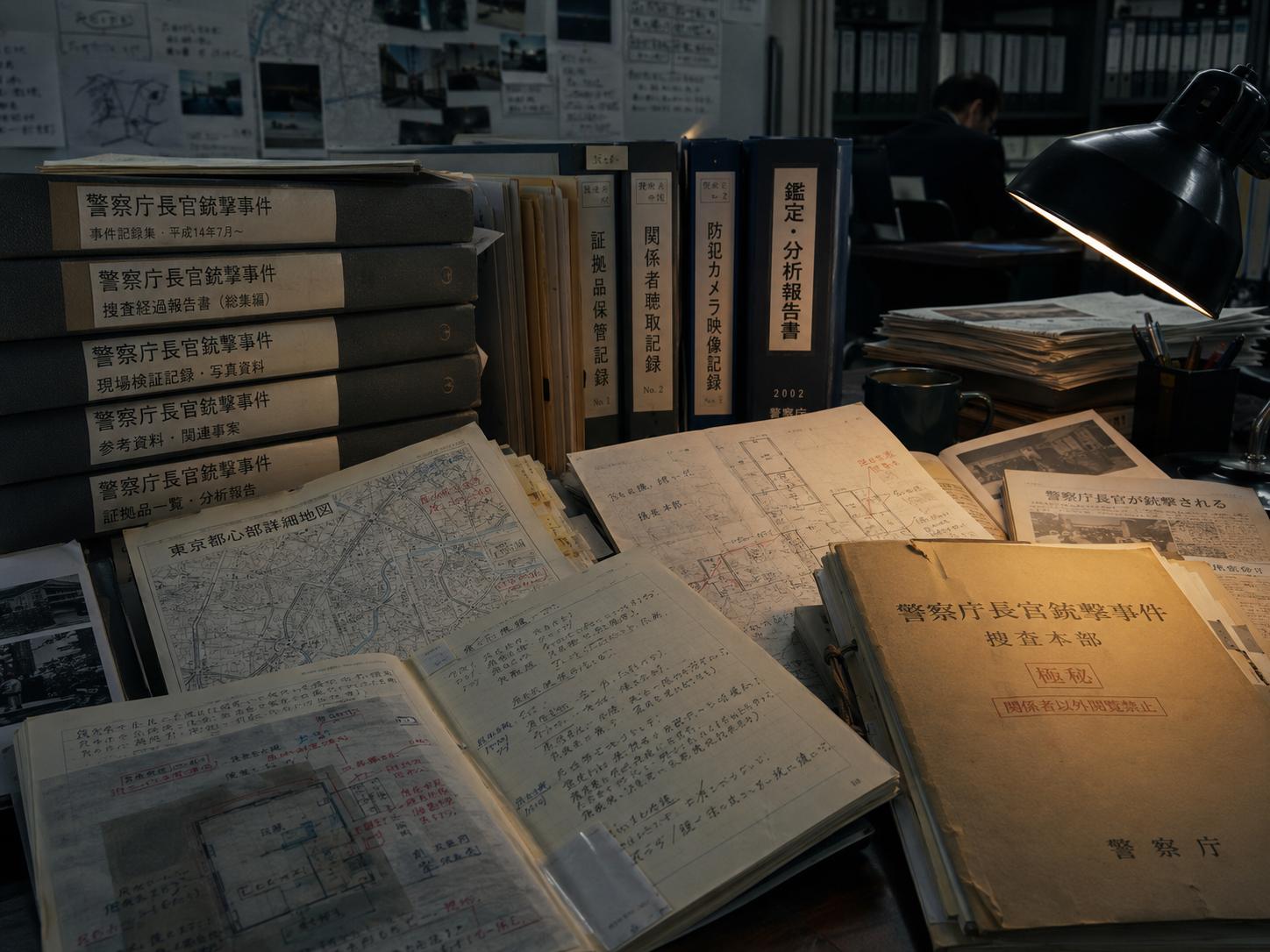
The statute day
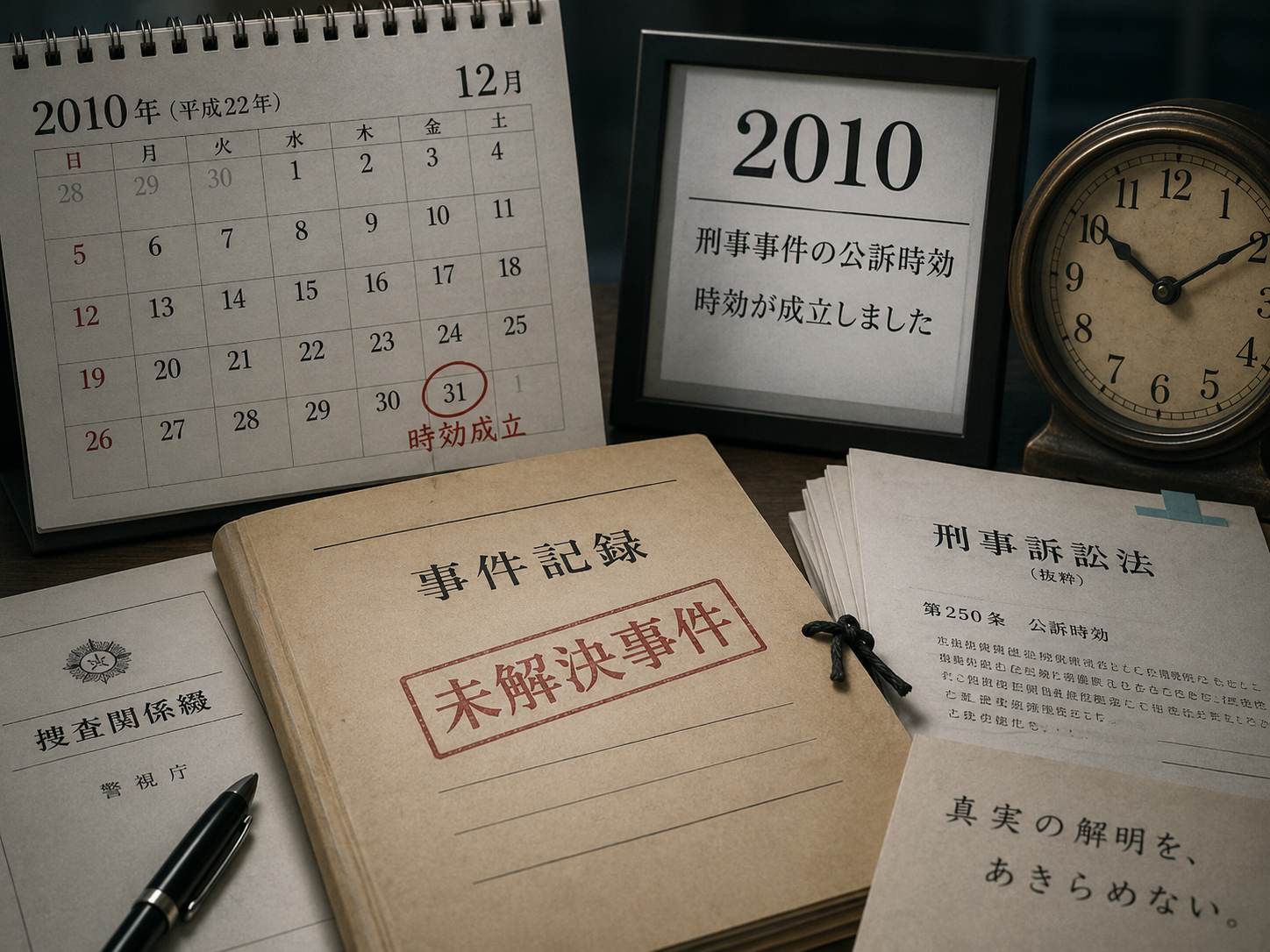
The National Diet Library record for Akira Takeuchi’s 2010 book Jikō Sōsa: Keisatsuchō Chōkan Sogeki Jiken no Shinsō summarizes the case as reaching its statute of limitations at 12:00 a.m. on March 30, 2010, and as a documentary about why this unprecedented case expired unsolved.
After the limitations period expired, the Tokyo Metropolitan Police Department published an investigative summary stating its view that the shooting had been a planned and organized terrorist act by Aum followers. This became the second institutional shock. It was one thing for police to hold a theory; it was another to publicly identify an entity after the case could no longer be tried.
The Japan Federation of Bar Associations issued a statement in April 2010 criticizing the publication. Press commentary at the time likewise questioned a public declaration that named a culprit after prosecution had failed.
The publication became a legal issue
The Hiroshima Bar Association’s statement records that, on March 30, 2010, the Tokyo police publicly characterized the attack as a planned and organized terrorist act carried out by believers under the will of the religious group’s leader. The same statement emphasizes that police had not sent a suspect to prosecutors before the statute expired.
Later reporting describes civil litigation by the successor group and damages ordered against Tokyo authorities. The point is not that police suspicion was meaningless. The point is procedural: what can a law-enforcement agency publicly assert about a case it failed to prosecute?
Unresolved questions
The unresolved part of this case is not only a missing name. It is also an unresolved institutional problem.
- Who fired the shots?
- Was the attack ordered by an organization, carried out by a small cell, or committed by an individual?
- Why did the former police officer’s reported statement not lead to prosecution?
- How far can the Nakamura-related evidence and later witness accounts be tested after the statute expired?
- How did the divide between Public Security and Criminal Investigation affect information-sharing and proof?
- When a case expires unsolved, how far may police go in naming a suspected actor publicly?
Sources and update policy
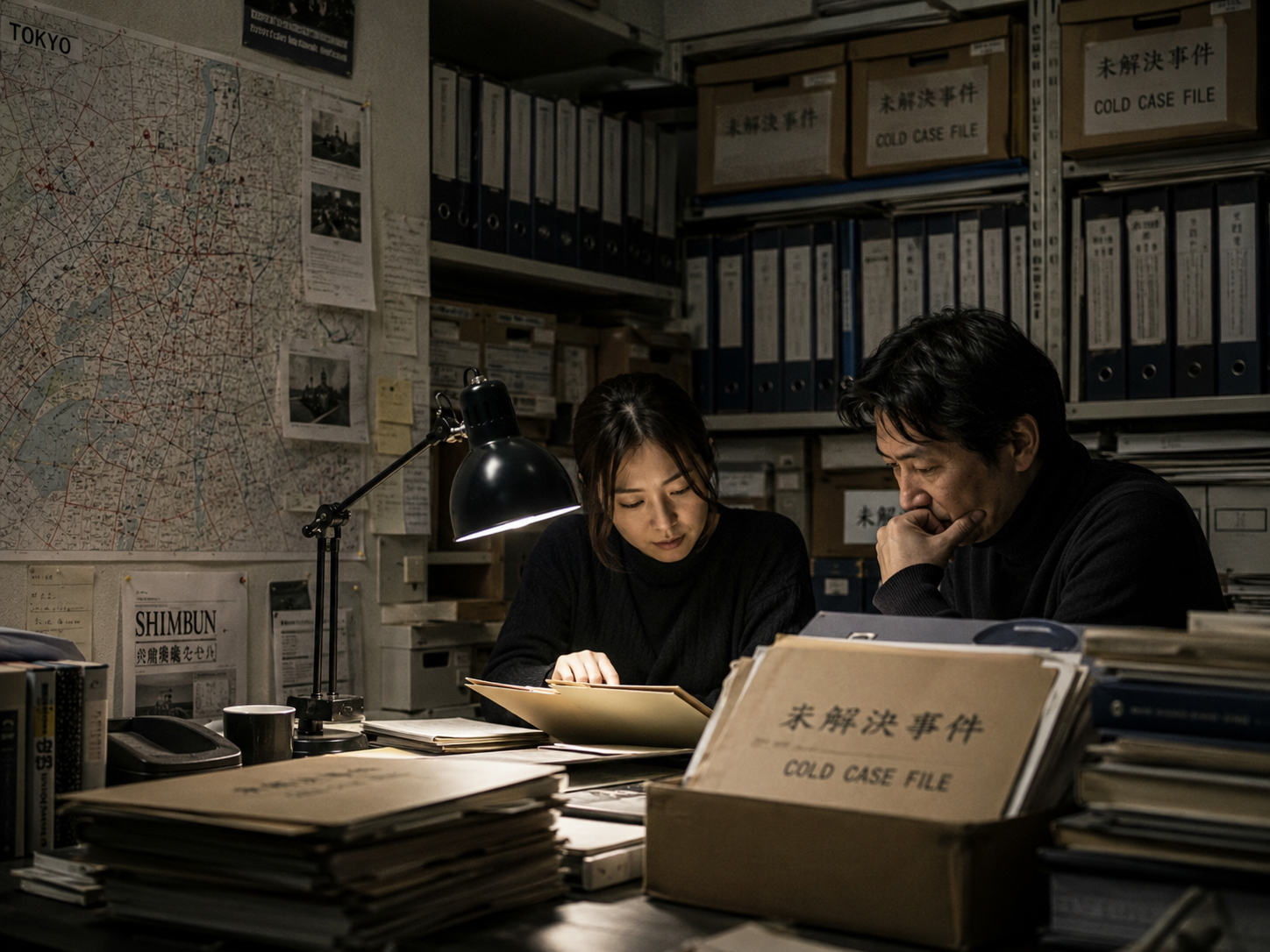
This page uses public reporting, legal statements, press criticism, and National Diet Library bibliographic records. Images are original SHIMBUN editorial illustrations, not historical photographs.
- FNN Prime Online 30-year review: chronology, shooting sequence, Aum context, investigative divide.
- Japan Federation of Bar Associations statement on the Tokyo police publication of the investigative summary.
- Hiroshima Bar Association statement on the police publication and the inability to refer a suspect before expiration.
- National Diet Library record for Jikō Sōsa: bibliographic confirmation and summary of the 2010 statute date.
- Mainichi English and related reporting on Hiroshi Nakamura, later support-driver testimony, and Nakamura’s 2024 death.
- UPI and Japan Times archives for contemporary and statute-period international framing.