Overview
“North Kanto Serial Girls Case” is not a court-certified finding that one offender committed all the crimes. It is an investigative and journalistic frame for reading a cluster of child cases, a regional map, an infamous wrongful conviction, and a set of institutional failures together.
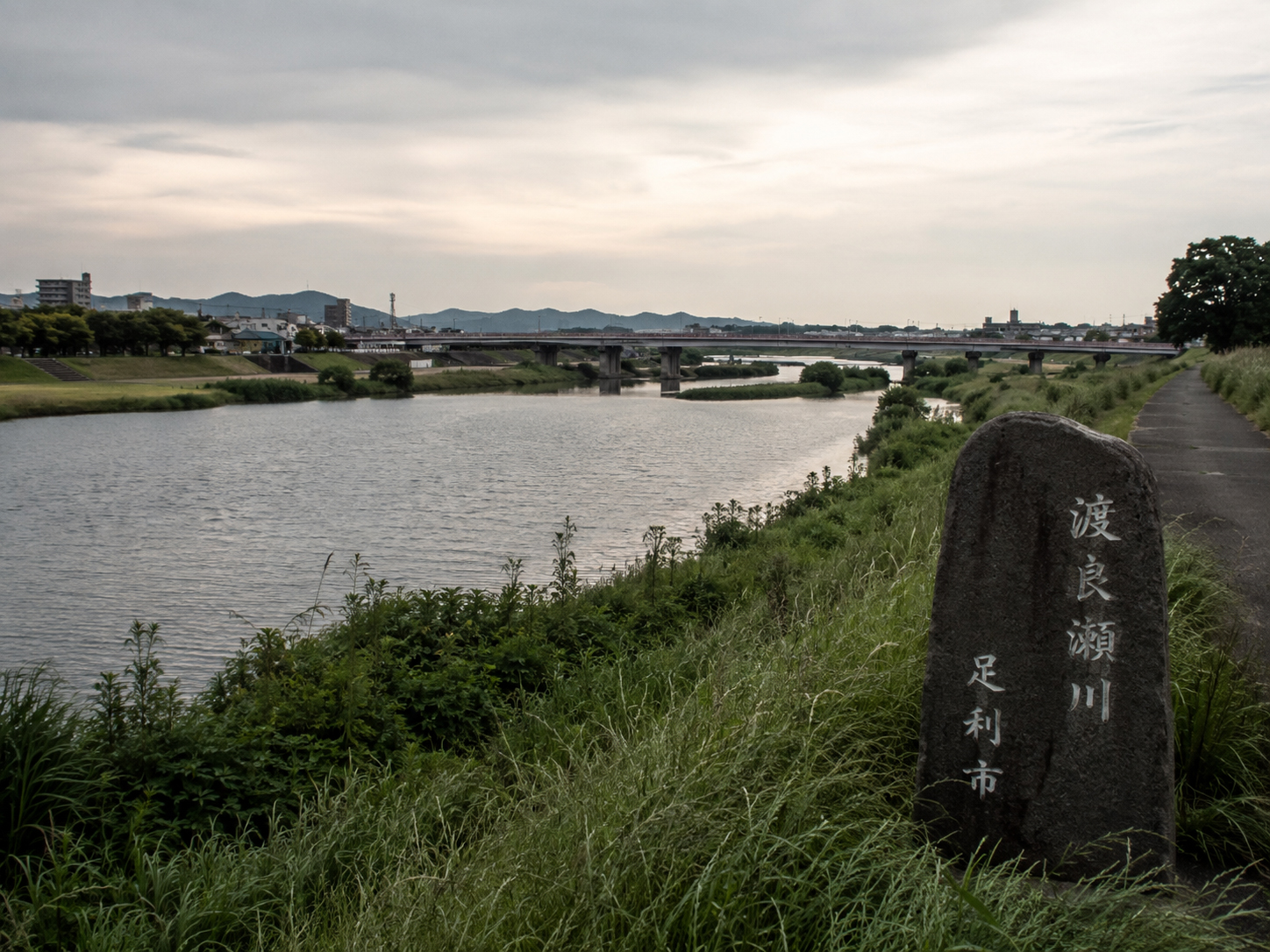
The Ashikaga case sits at the center. In 1990, a four-year-old girl disappeared in Ashikaga, Tochigi Prefecture. Her body was found the next day near the Watarase River. Toshikazu Sugaya was arrested, convicted, and imprisoned. Years later, DNA re-testing destroyed the evidentiary basis of the conviction. He was released in 2009 and acquitted at retrial in 2010.
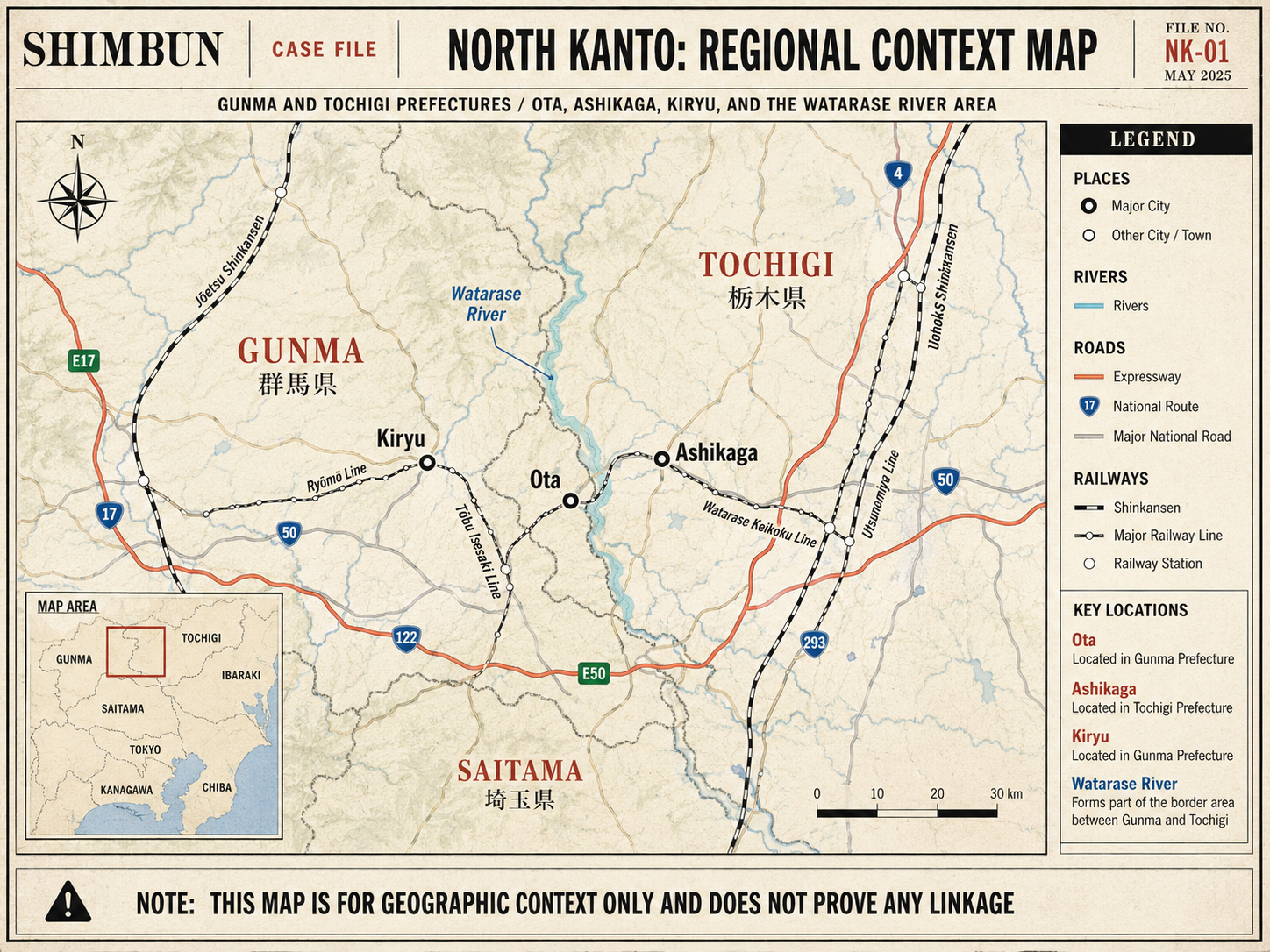
The confirmed skeleton
The Ashikaga case is unavoidable. It was a child abduction and murder case from 1990, but its later history became one of Japan’s most important wrongful-conviction records. Sugaya’s conviction rested heavily on DNA testing and confession evidence. Both later became the subject of severe criticism.
The Japan Federation of Bar Associations records that Sugaya filed for retrial with JFBA support, while the defense argued that the then-used forensic DNA result was wrong and sought modern re-testing. In its English statement after acquittal, the JFBA emphasized that more than 17 years of detention had been unjust.
The Japan Times reported that the Supreme Public Prosecutors Office and the National Police Agency published separate internal reviews, and that misplaced confidence in the original DNA test was a key factor. The NPA review also said questioning proceeded on the false assumption that Sugaya was unquestionably the culprit.
The “serial case” frame
The North Kanto cases have been discussed together because of overlapping features: young girls, disappearances from or near everyday public spaces, geographic proximity along the Gunma–Tochigi border, and unresolved questions that lasted for decades.
But SHIMBUN draws a line. Placing cases side by side is not the same as declaring one perpetrator. Investigative reporting can ask whether investigators missed a pattern. Criminal responsibility still requires evidence and judicial process. This page therefore treats the North Kanto label as an investigative and journalistic frame, not a final legal conclusion.
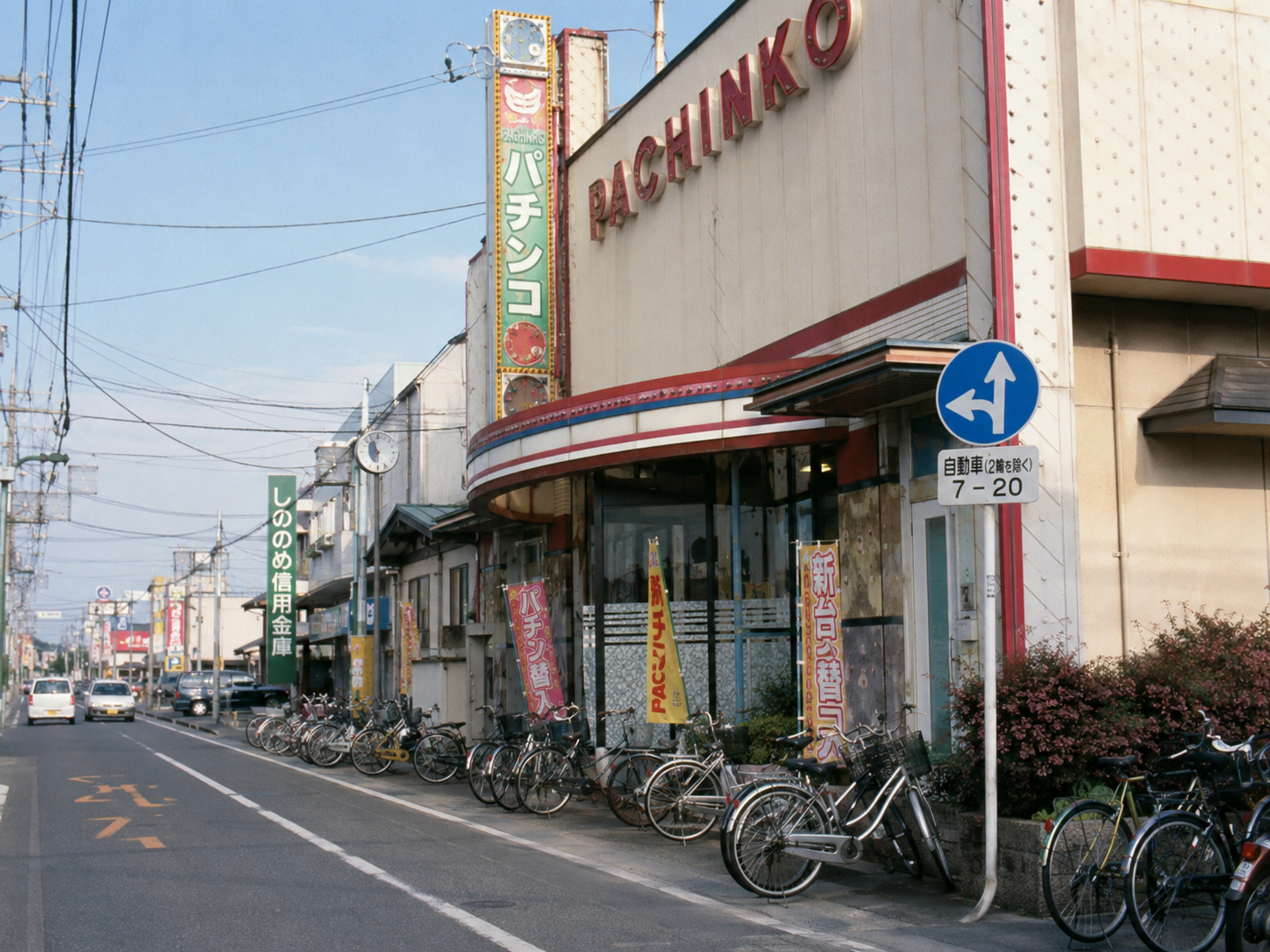
Timeline
This chronology places two things on the same page without merging them: the broader North Kanto reporting frame, and the judicial history of the Ashikaga wrongful conviction.
Several cases involving young girls in Gunma and Tochigi become part of a later investigative-reporting frame.
A four-year-old girl disappears in Ashikaga and is found dead near the Watarase River the next day.
DNA testing and confession evidence become central to the case against him.
The case is treated as solved while Sugaya continues to maintain his innocence.
With JFBA support, Sugaya petitions for a retrial.
New testing undermines the conviction; Sugaya is released after roughly 17 and a half years.
The Utsunomiya District Court acquits Sugaya, making the case a landmark in Japan’s wrongful-conviction history.
System failure: DNA, confession, court
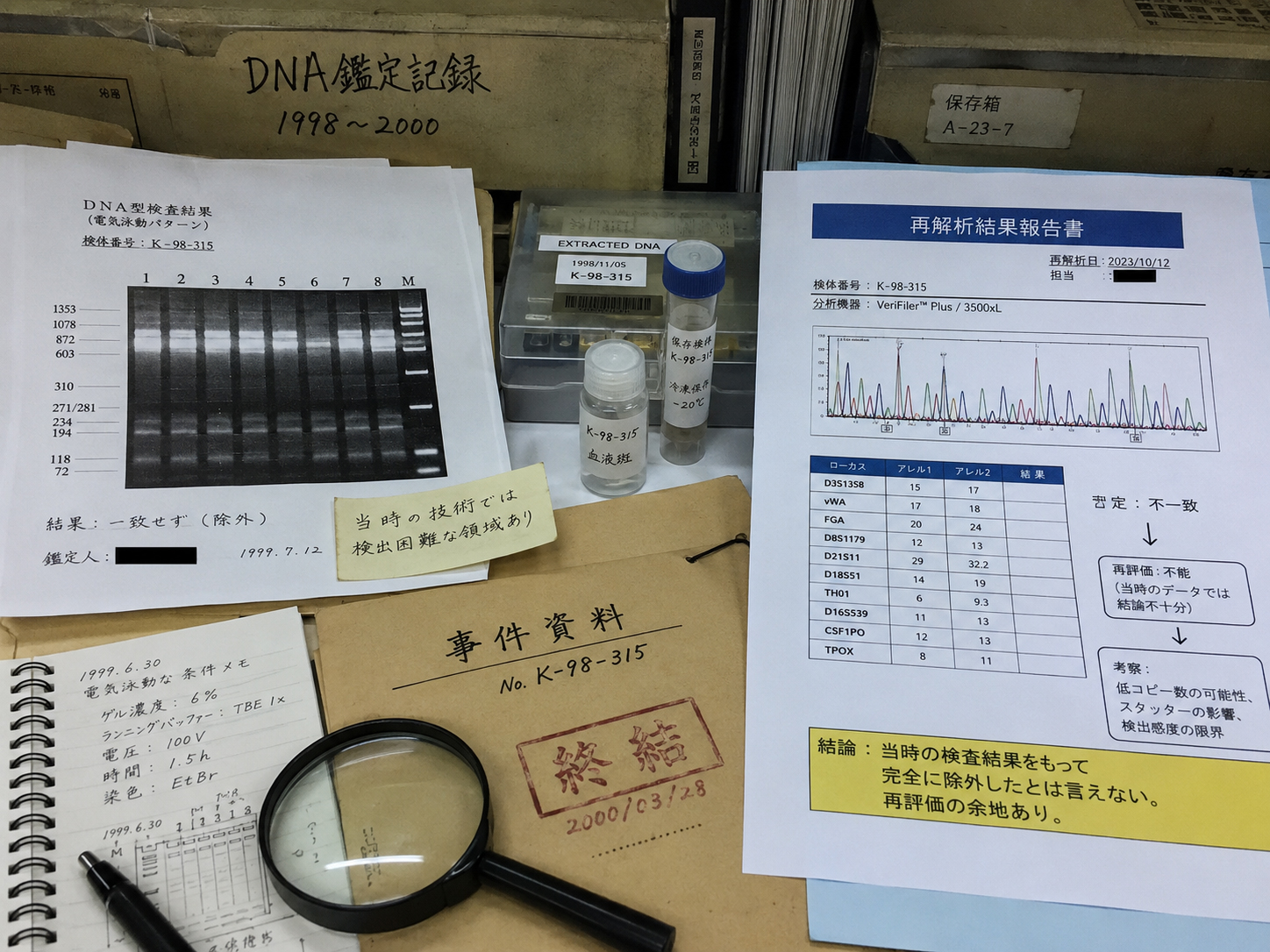
Forensic overconfidence
The Ashikaga case did not indict science itself. It indicted the way a limited forensic result was treated as stronger than it was. Pressnet noted that re-testing found Sugaya’s DNA did not match the sample attributed to the perpetrator and that a low-precision original test had been used as scientific proof of guilt.
False confession risk
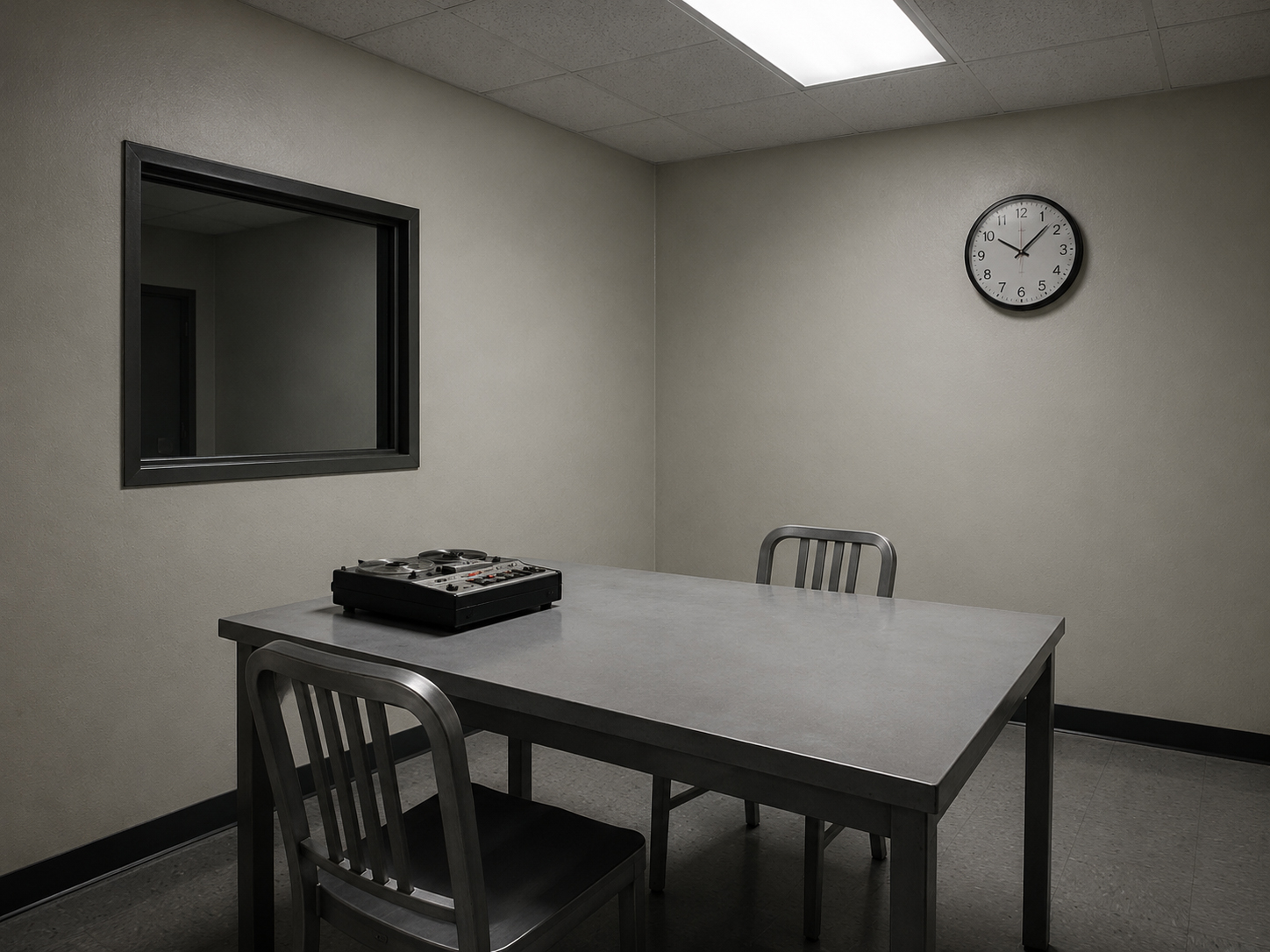
The Tokyo Bar Association stated that the Ashikaga case involved a confession coerced in a closed room and argued that complete video recording of interrogations is essential to prevent wrongful convictions. Other bar associations drew the same lesson: a confession can be manufactured under institutional pressure.
The weight of retrial
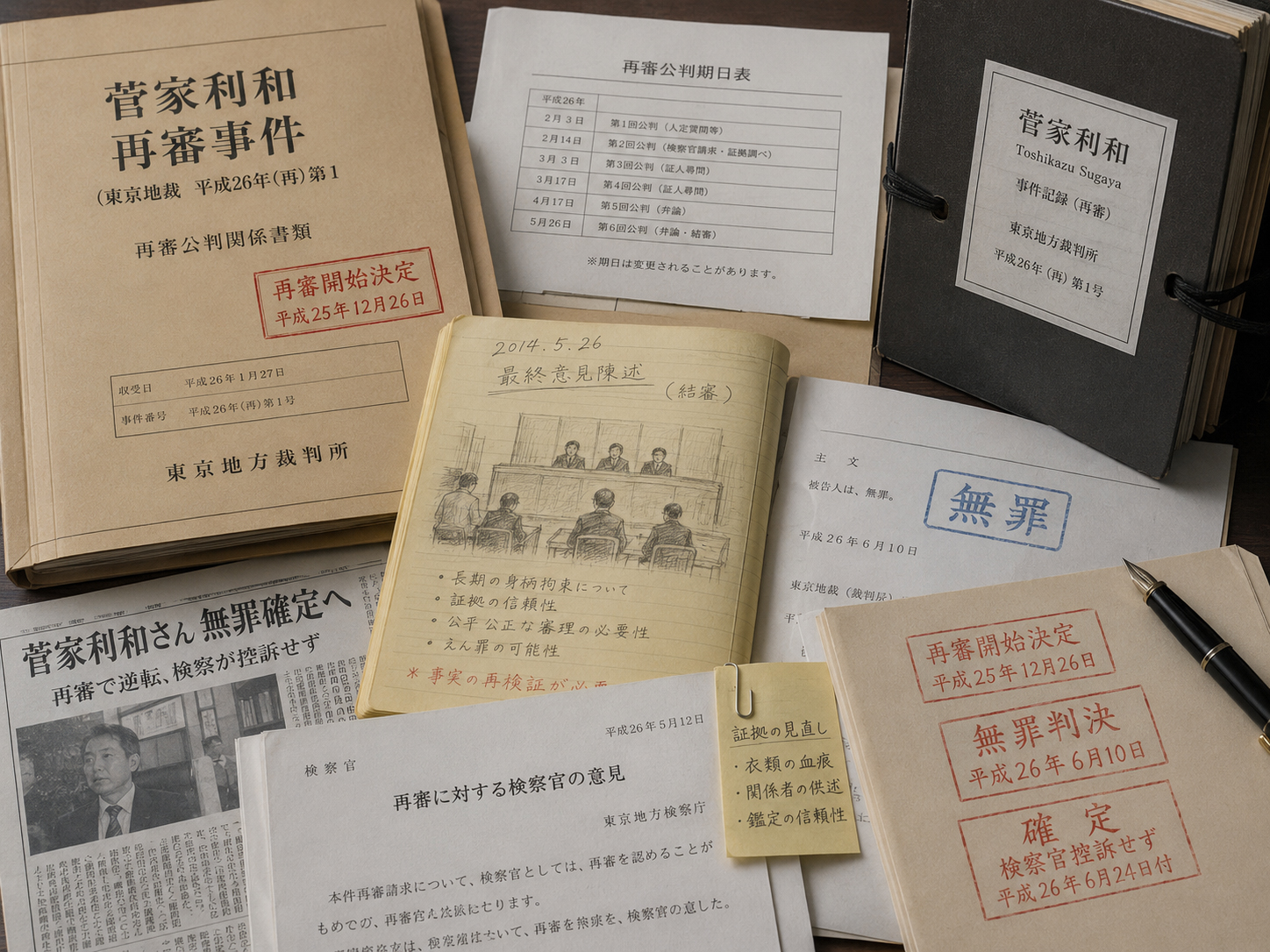
A retrial is not simply a second chance. It confronts a final judgment, years of imprisonment, the public memory of a crime, and the harm done to both the accused and the victim’s family. Sugaya’s acquittal was personal relief and institutional indictment at once.
The role of investigative journalism
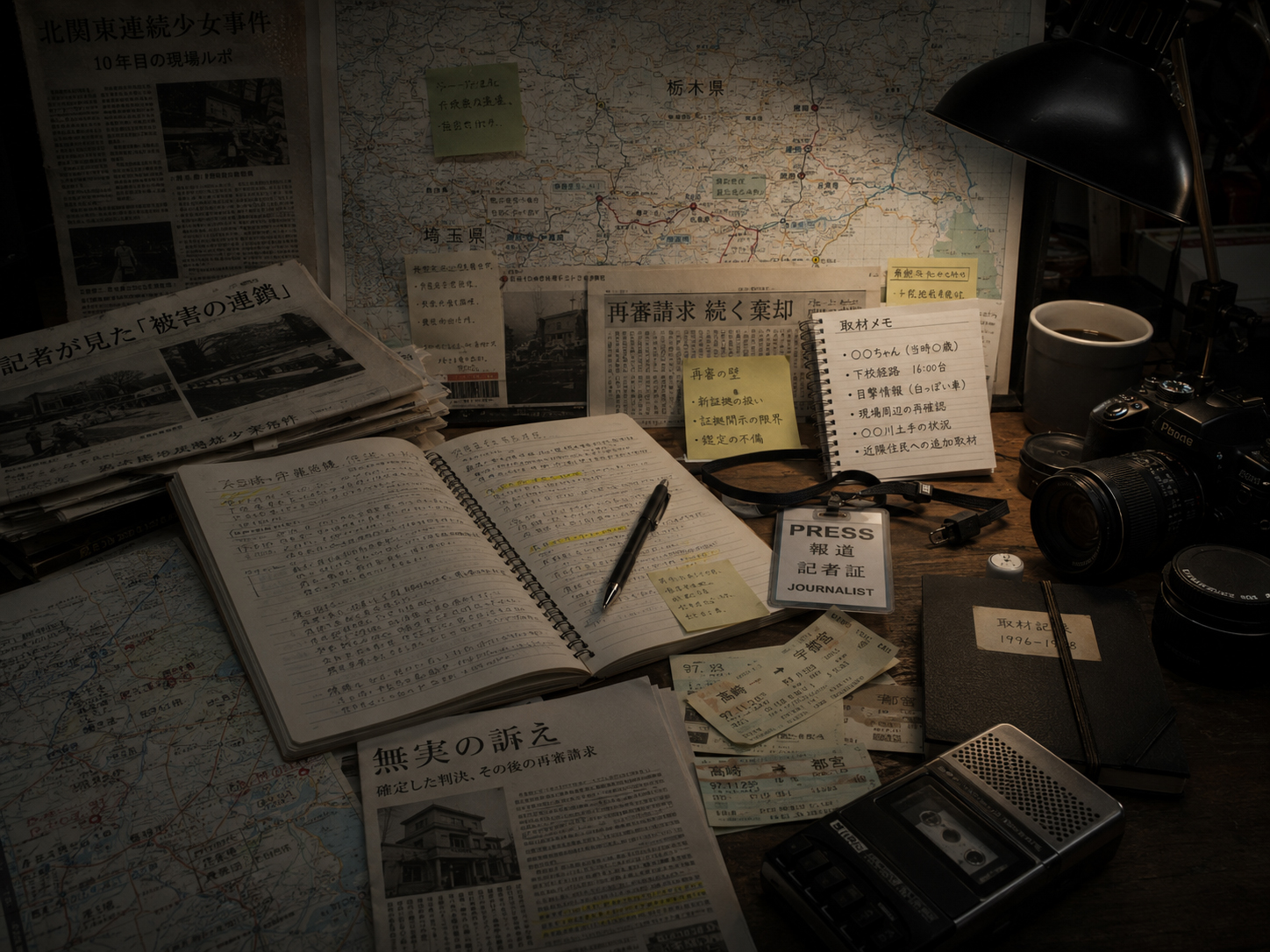
Investigative reporting made the broader North Kanto frame part of public discussion. Kiyoshi Shimizu’s Satsujinhan wa Soko ni Iru is introduced by its publisher as a nonfiction work following five missing girls, the Ashikaga wrongful conviction, and the darker parts of criminal justice; it won major nonfiction and mystery-writers awards.
Journalism should not replace police or courts. Its role is to re-read records, revisit places, surface contradictions, and ask whether a closed file is truly closed.
Returning to the victims
Wrongful conviction and institutional failure are necessary parts of the story. But the first loss was the time of children and families. If suspect theories take over the page, the record fails again. The victims must not become props in a theory.

The burden of records
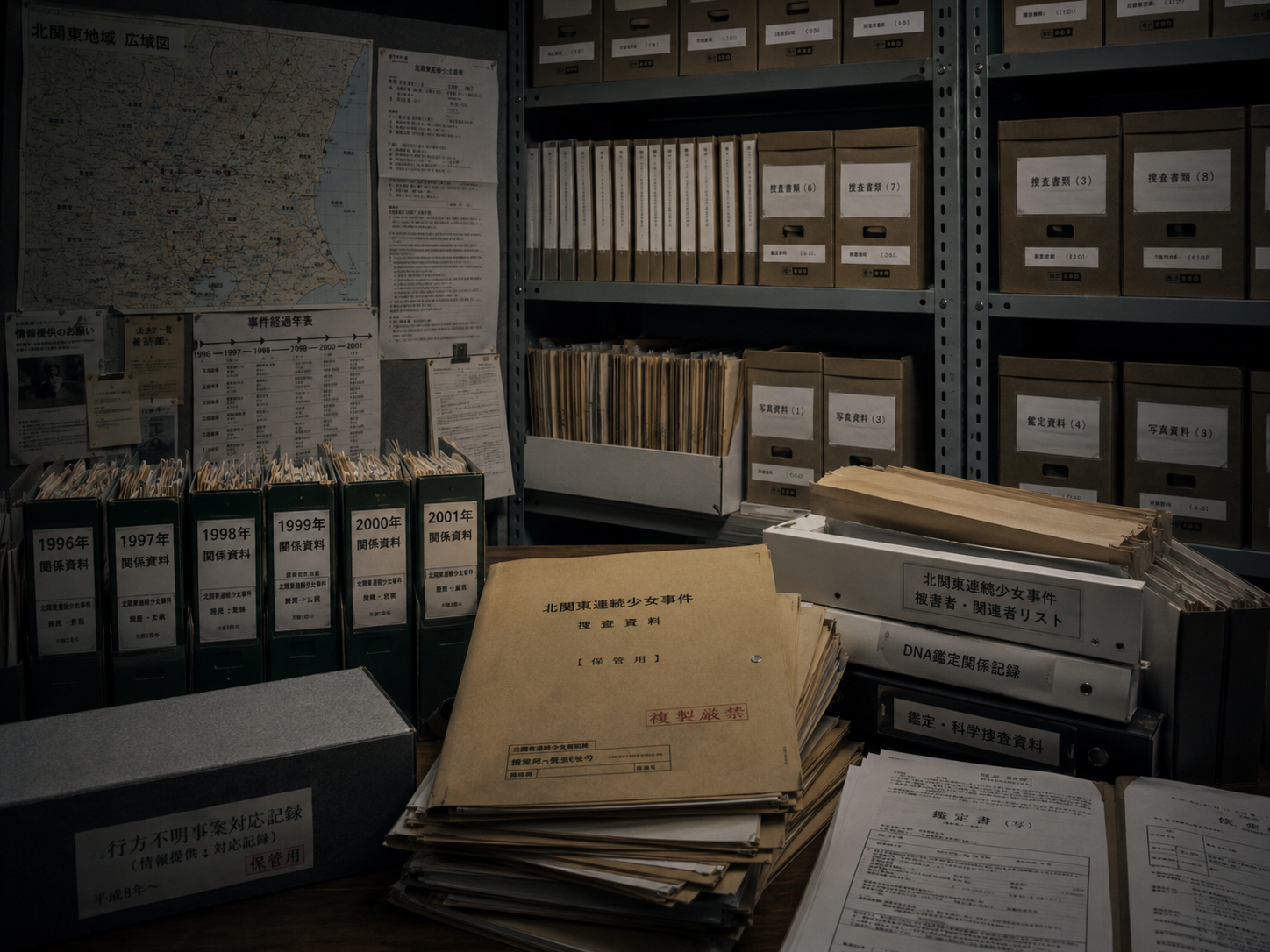
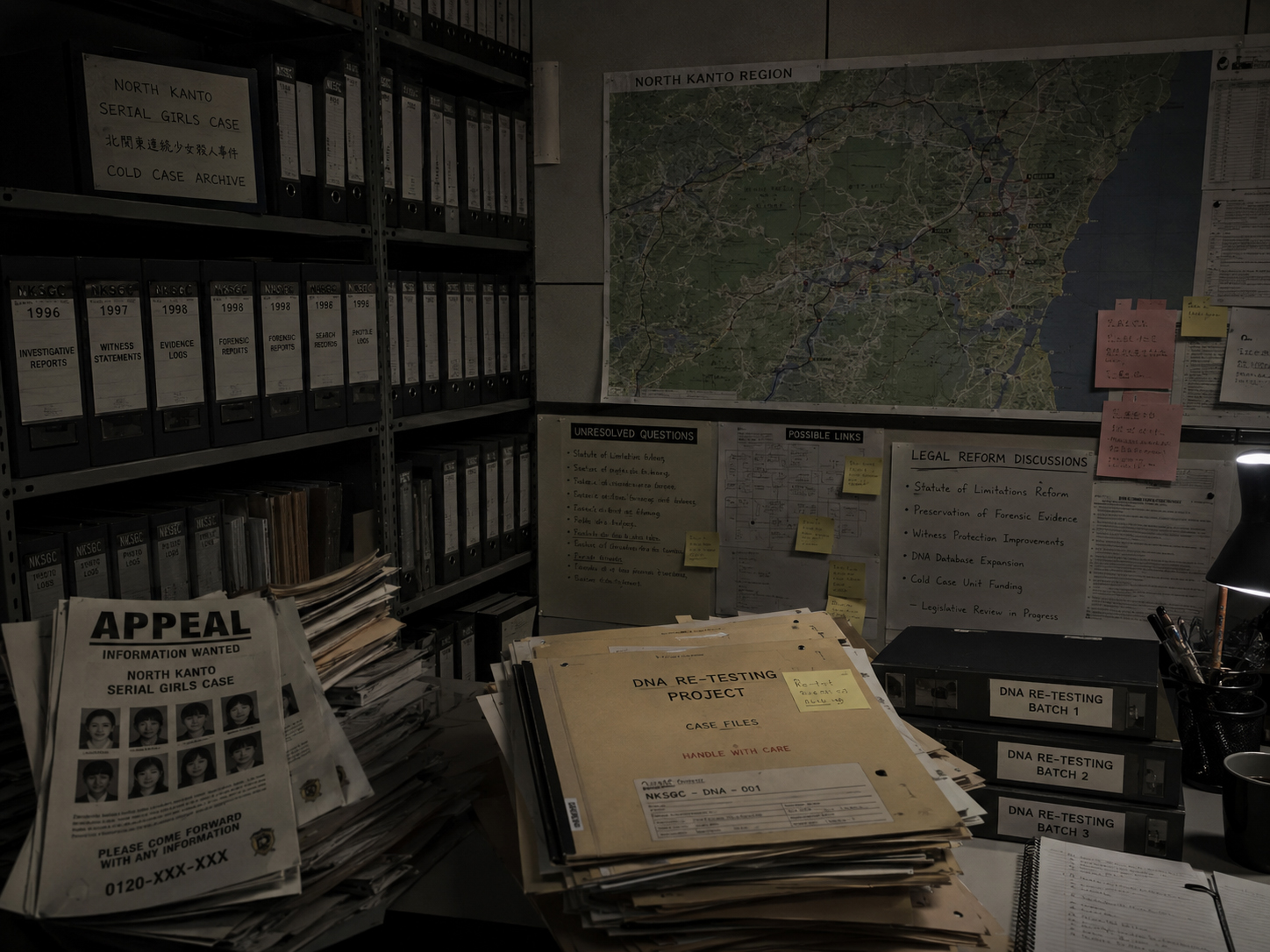
In a long-running unsolved case, records become history: witness notes, forensic files, maps, photographs, appeal flyers, legal briefs, retrial petitions, and newspaper clippings. Preservation is only the first step. The harder question is whether the records are read again.
Unresolved questions
- How strong is the evidence for treating the North Kanto cases as a linked series?
- What evidence argues against linkage?
- Why did the Ashikaga investigation narrow so quickly around Sugaya?
- How well did courts understand the limits of the original DNA method?
- Could full recording of interrogations have prevented the false confession problem?
- Were records shared adequately across prefectural lines?
- What evidence, if preserved, could still be re-tested today?
Sources and update policy
This page follows the SHIMBUN case-file format by separating confirmed facts, reported frames, disputed or institutional issues, and unknowns. The Ashikaga wrongful conviction is treated as established. The broader North Kanto “serial” frame is treated as an investigative and journalistic hypothesis.
- Japan Federation of Bar Associations statement on the Ashikaga acquittal: wrongful detention and the meaning of retrial acquittal.
- JFBA statement on the retrial decision: the Tokyo High Court's retrial decision and DNA re-testing.
- The Japan Times, “Alarm over investigation failures”: misplaced confidence in the original DNA test and internal reviews.
- Tokyo Bar Association statement on the Ashikaga Incident: coerced confession risk and video recording of interrogations.
- Pressnet editorial review: Japanese editorials after Sugaya’s release and the retrial decision.
- Kiyoshi Shimizu, Satsujinhan wa Soko ni Iru: bibliographic source for the investigative-reporting frame around the North Kanto cases.